Gallery 8: Nityas – Spiritual Vision Art

Spiritual Vision Art
by Uma Kumar
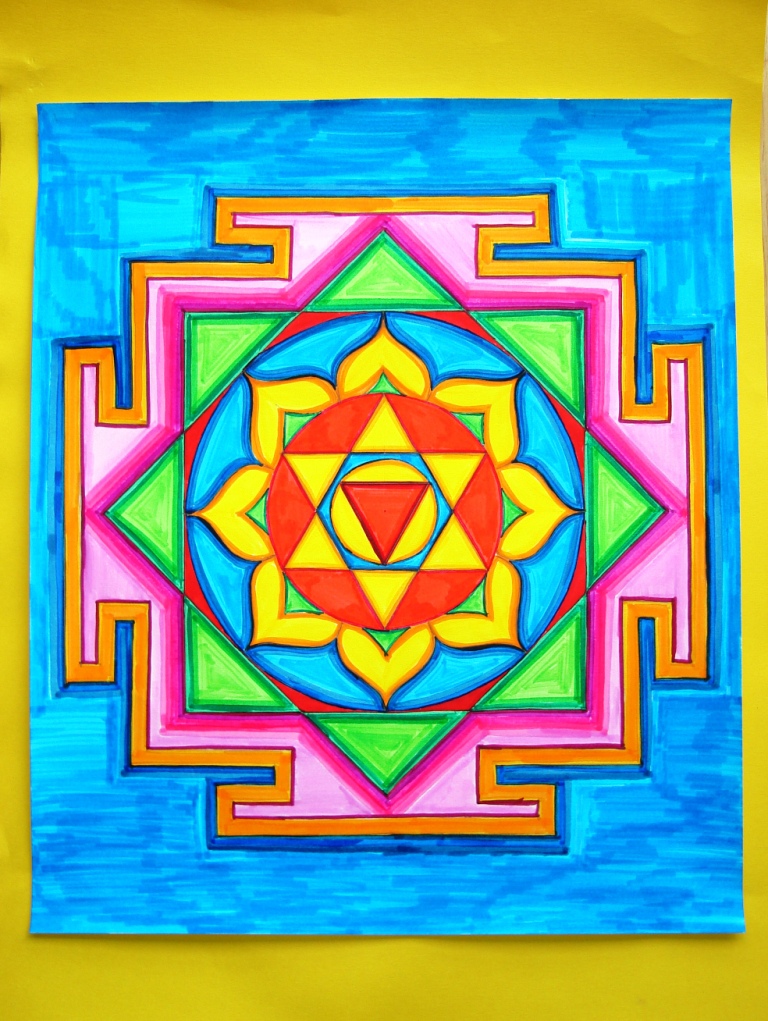
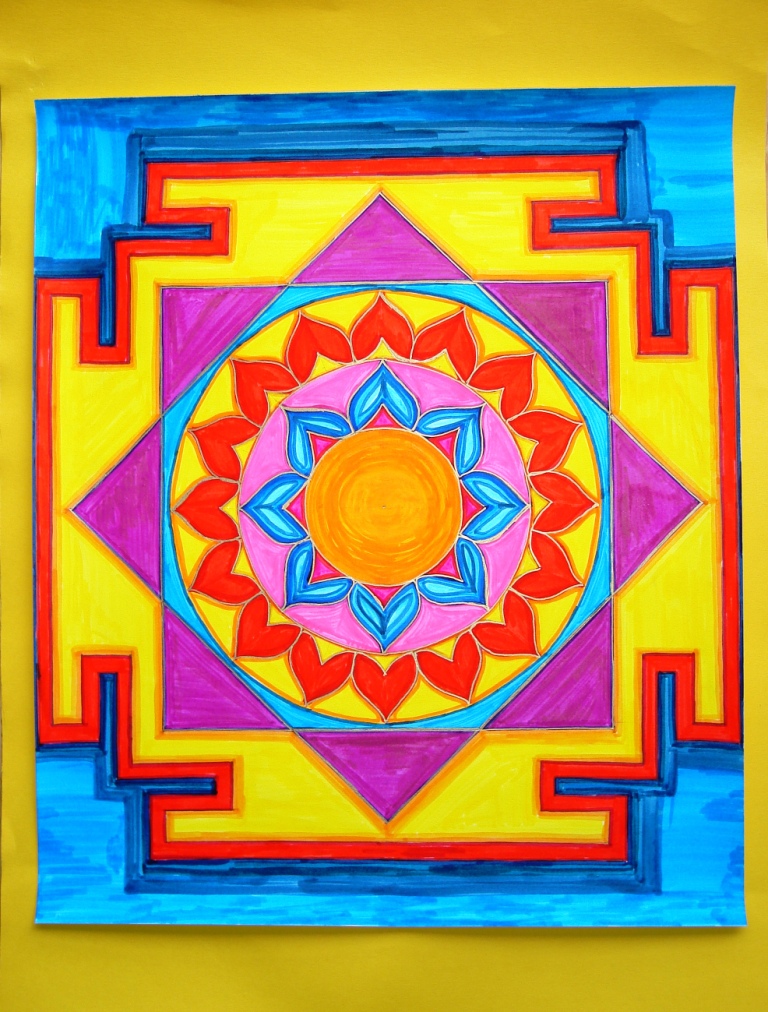
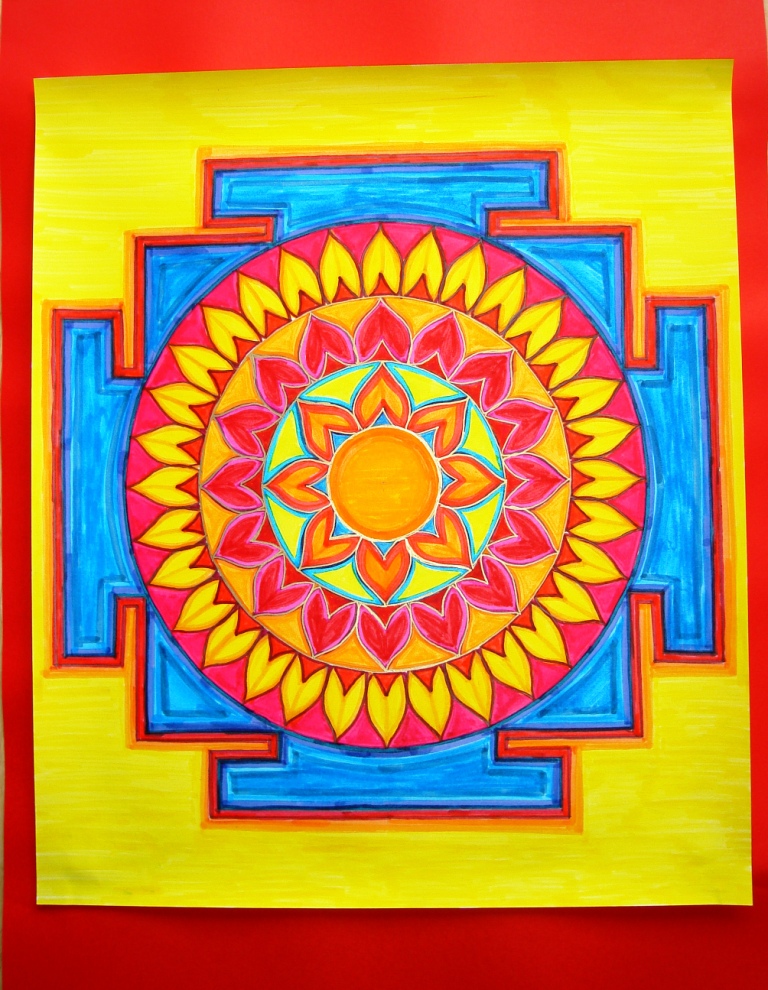
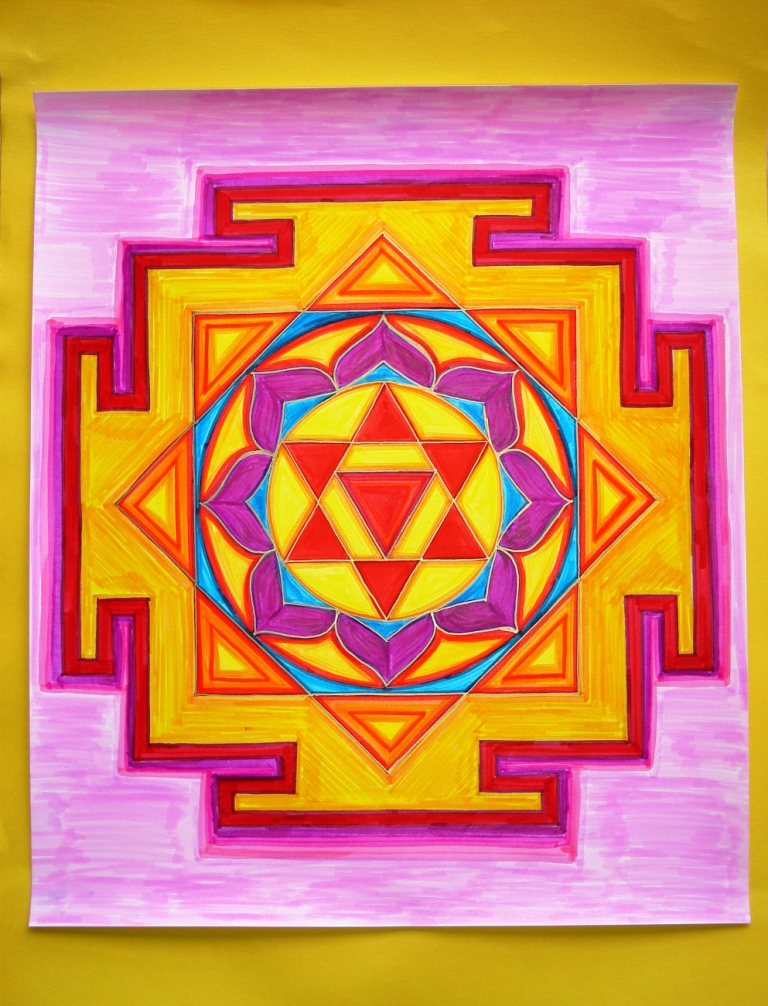
Gallery 8: The Sixteen Nityas

THE SIXTEEN NITYAS

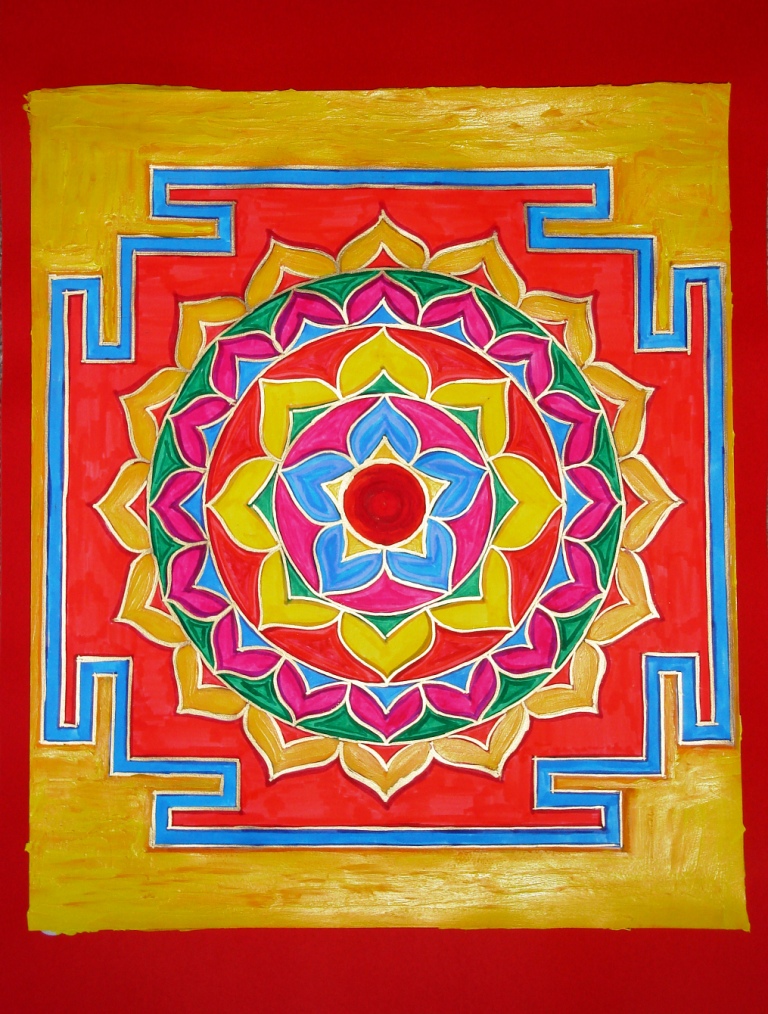
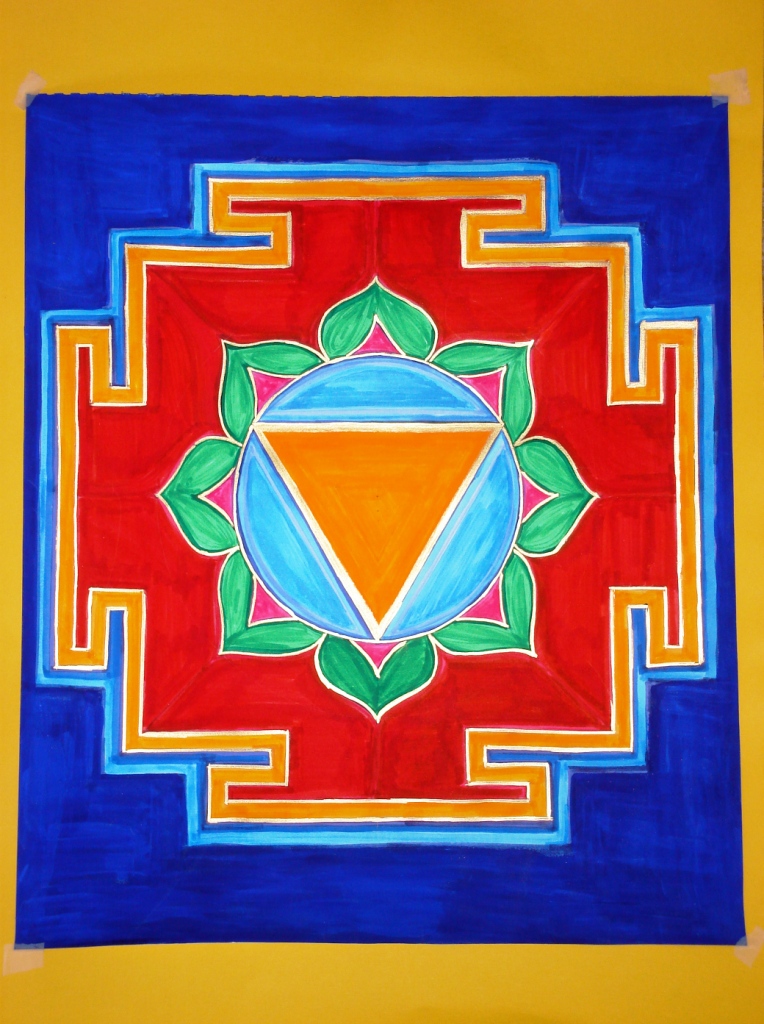
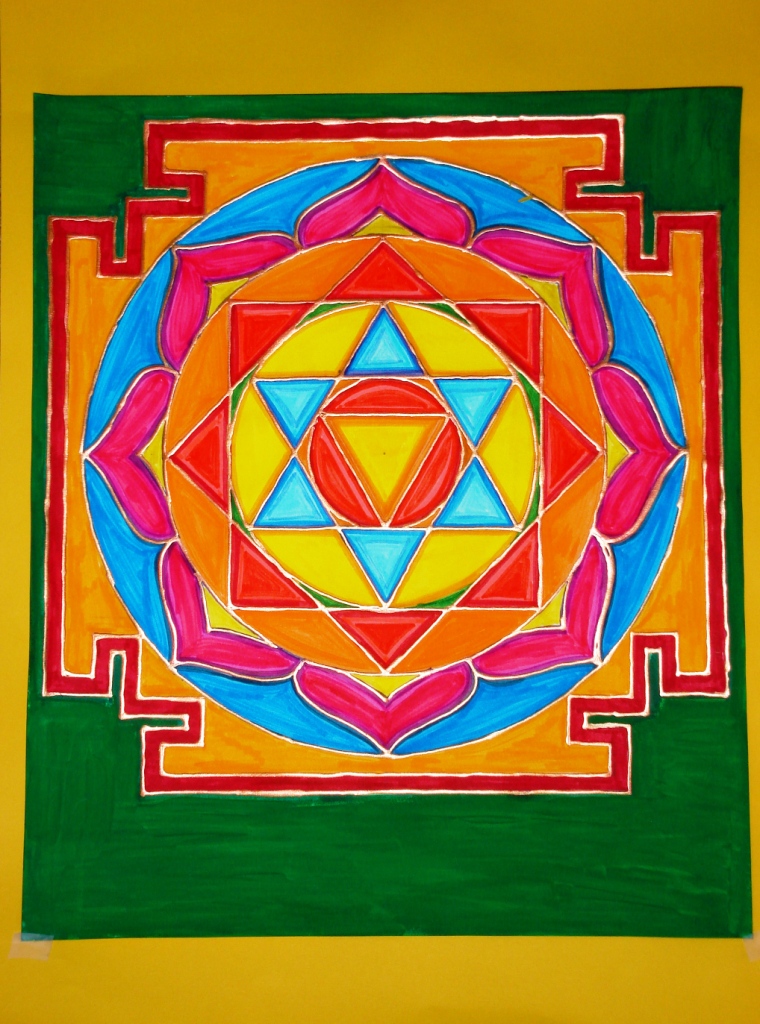
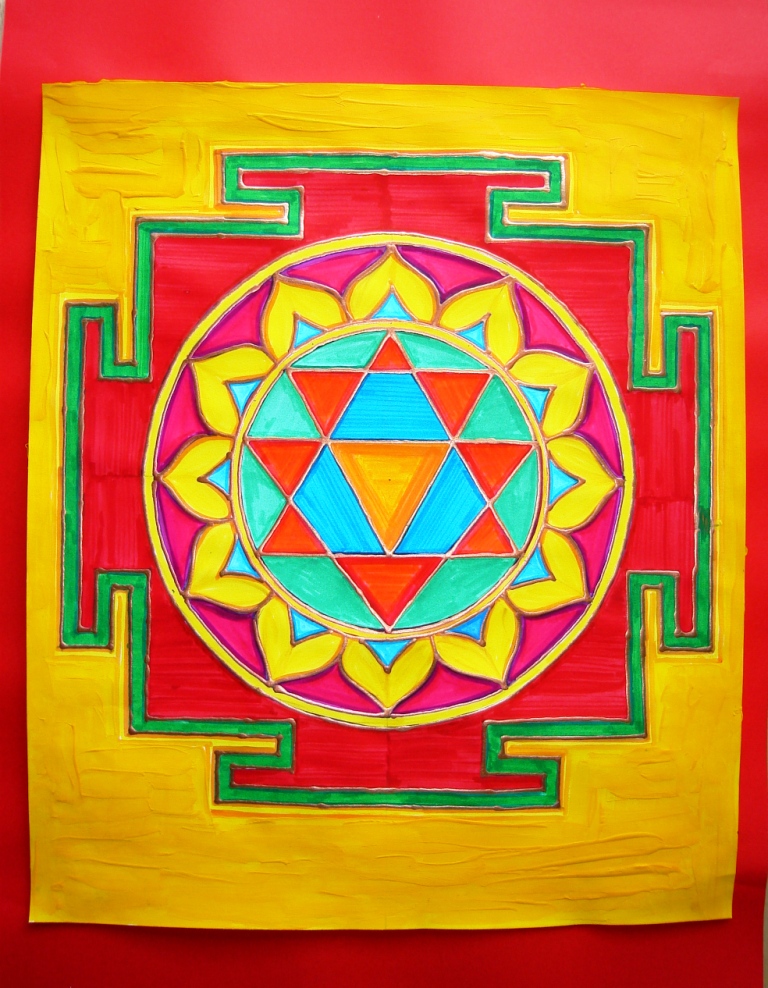
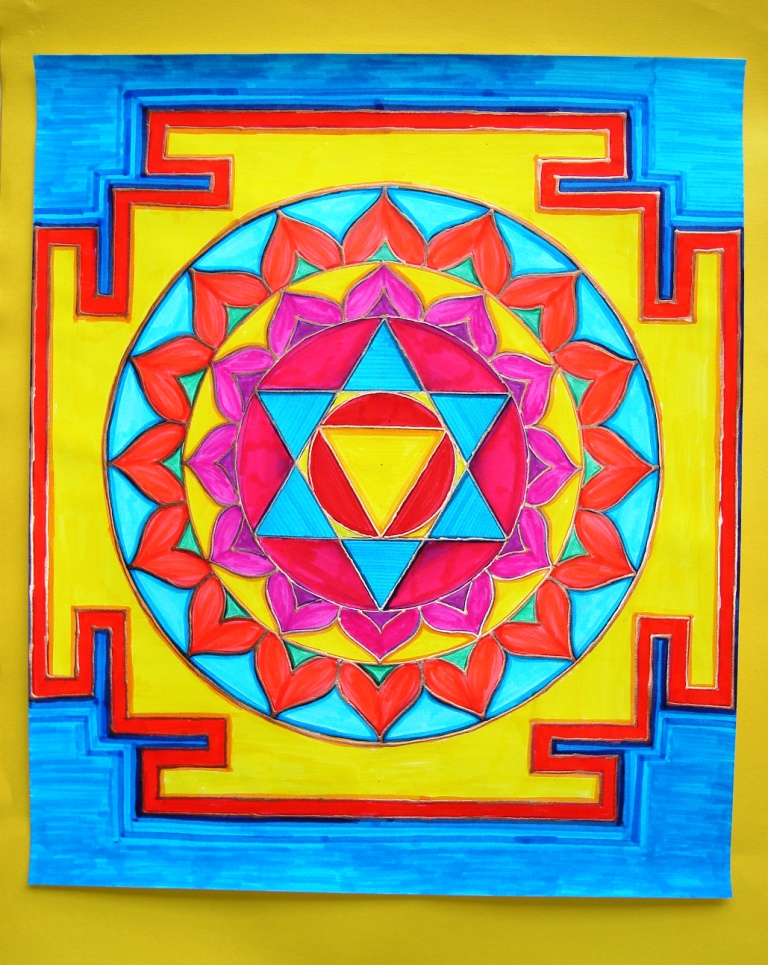
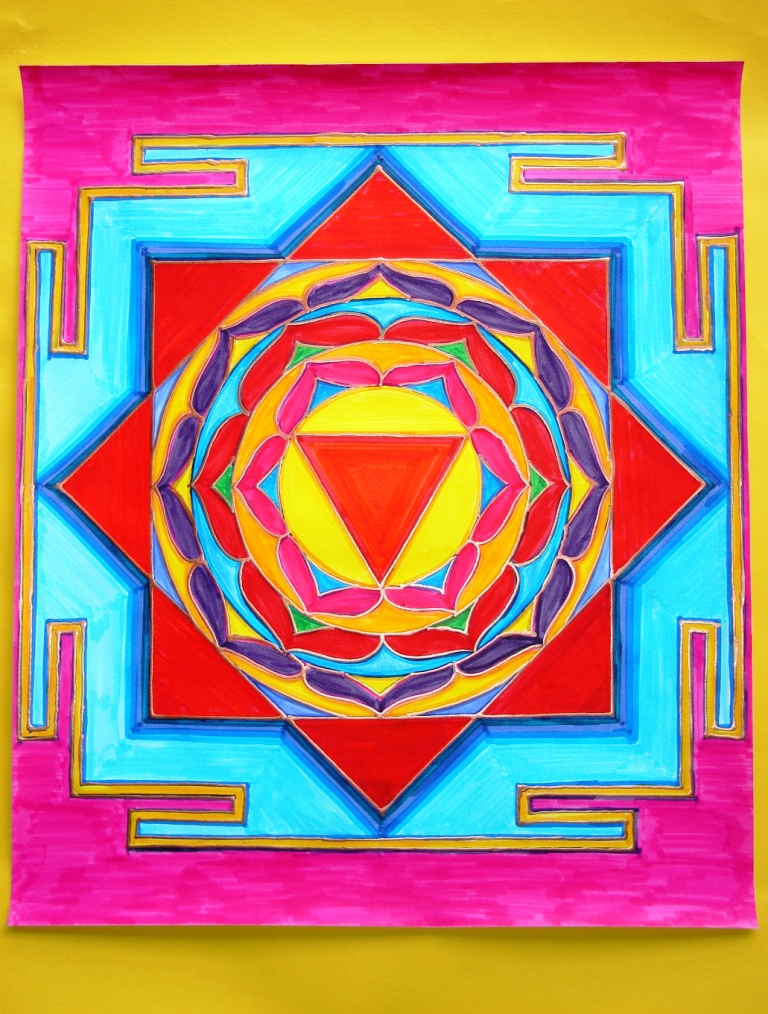
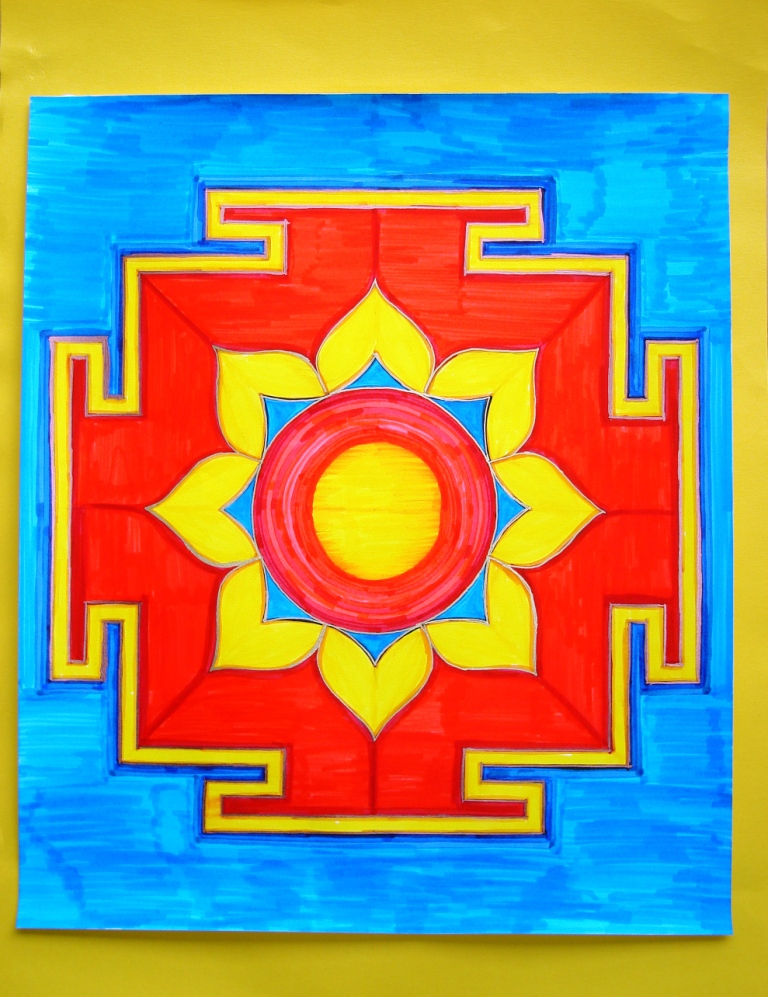
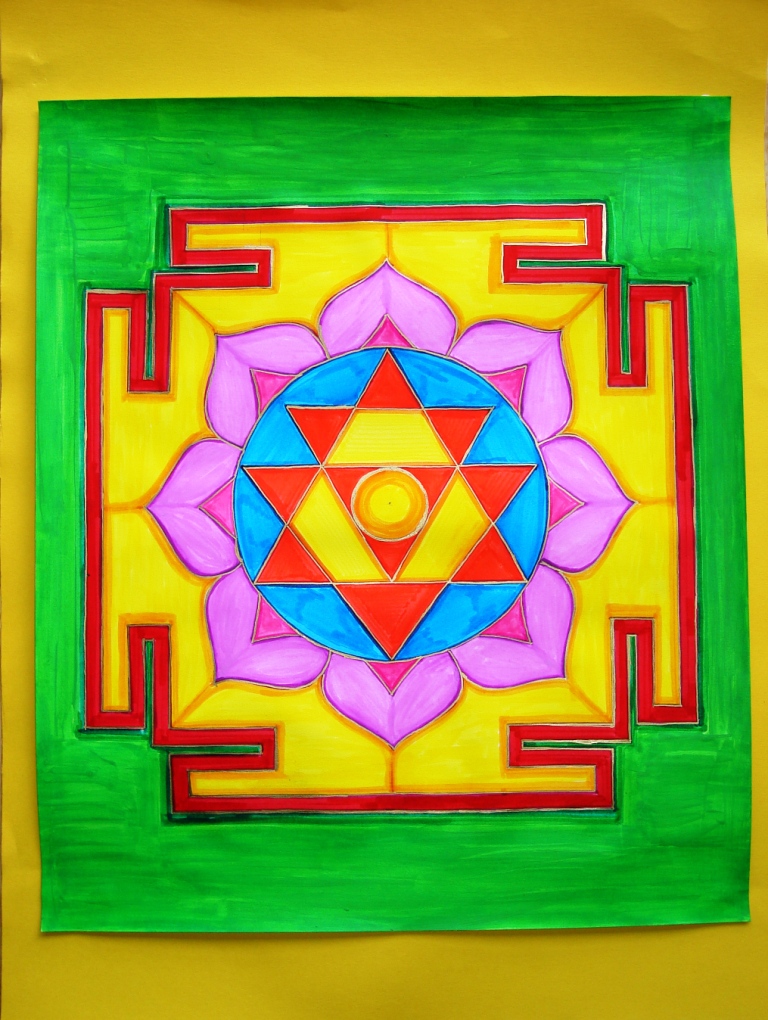
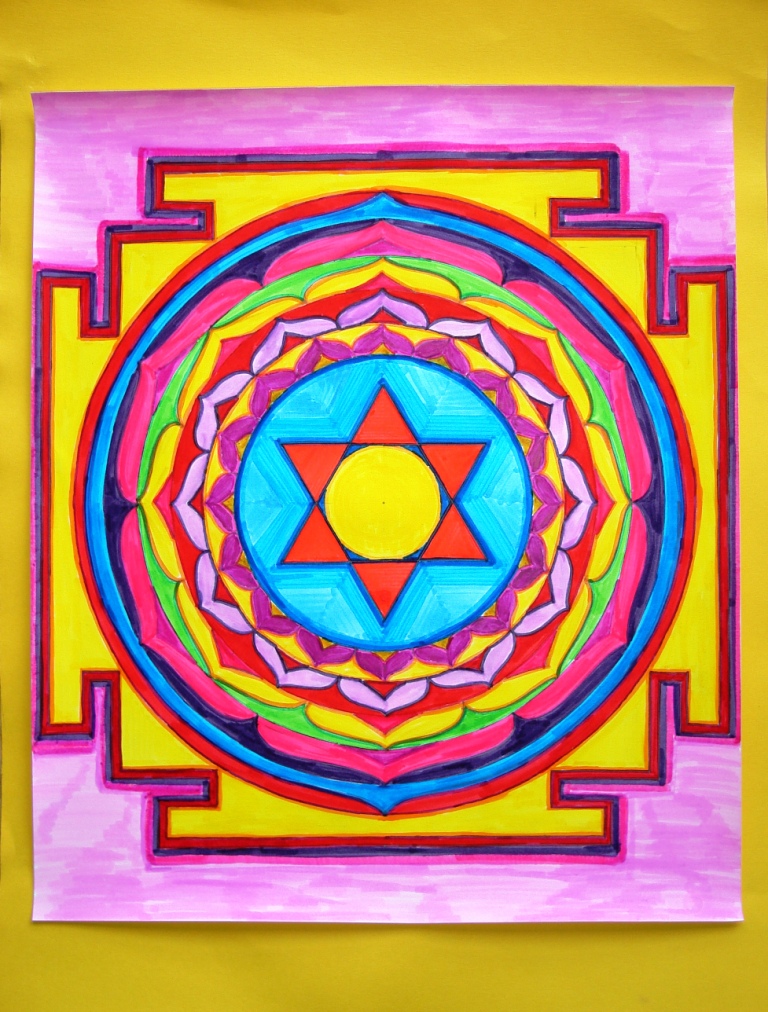
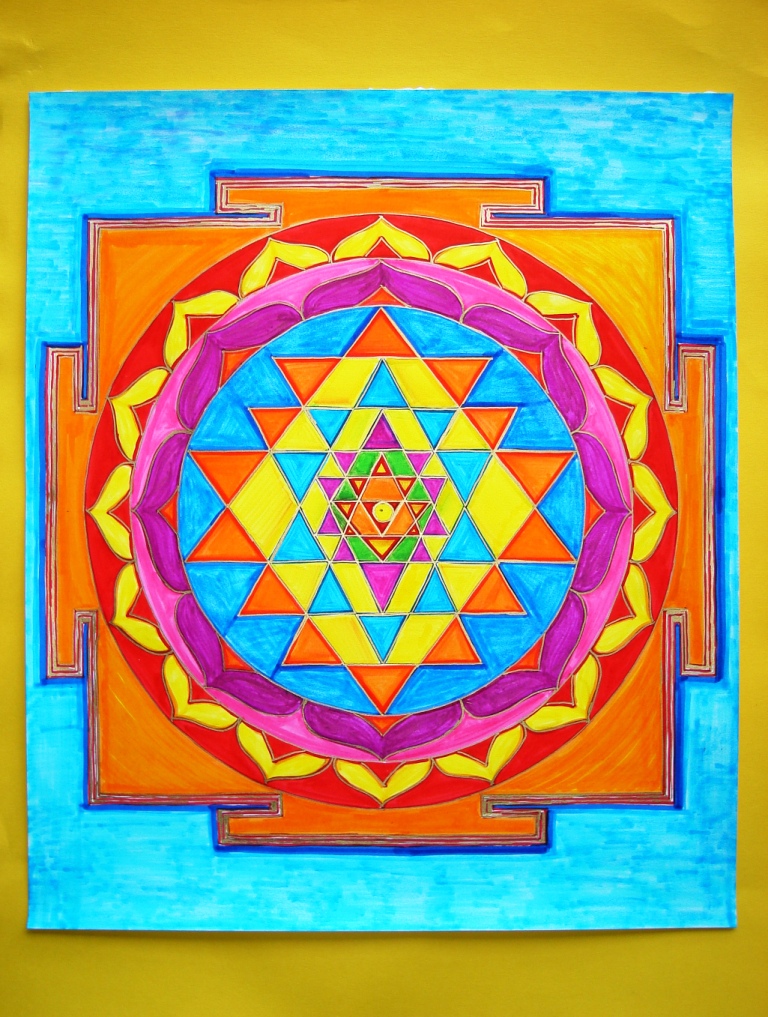
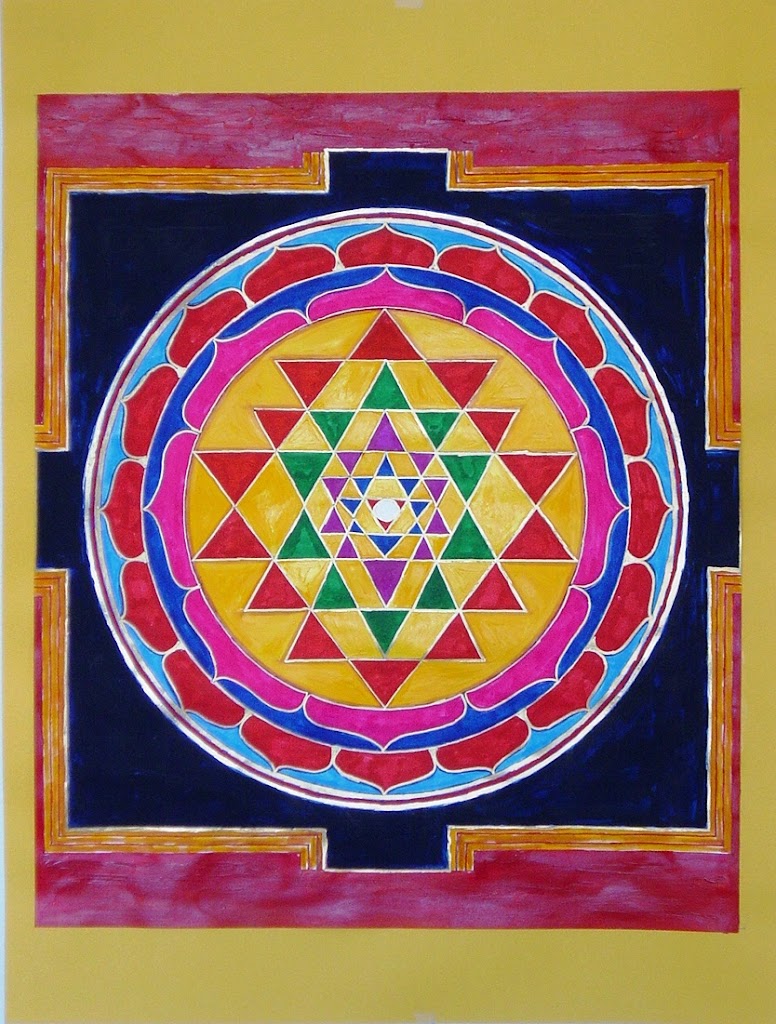
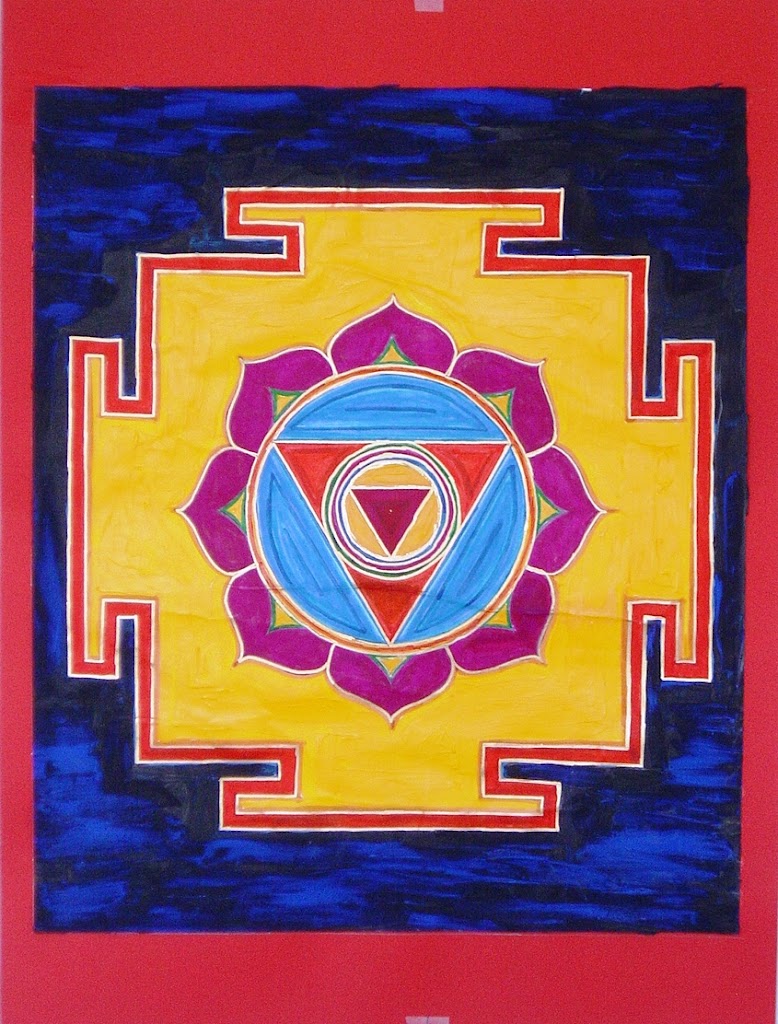
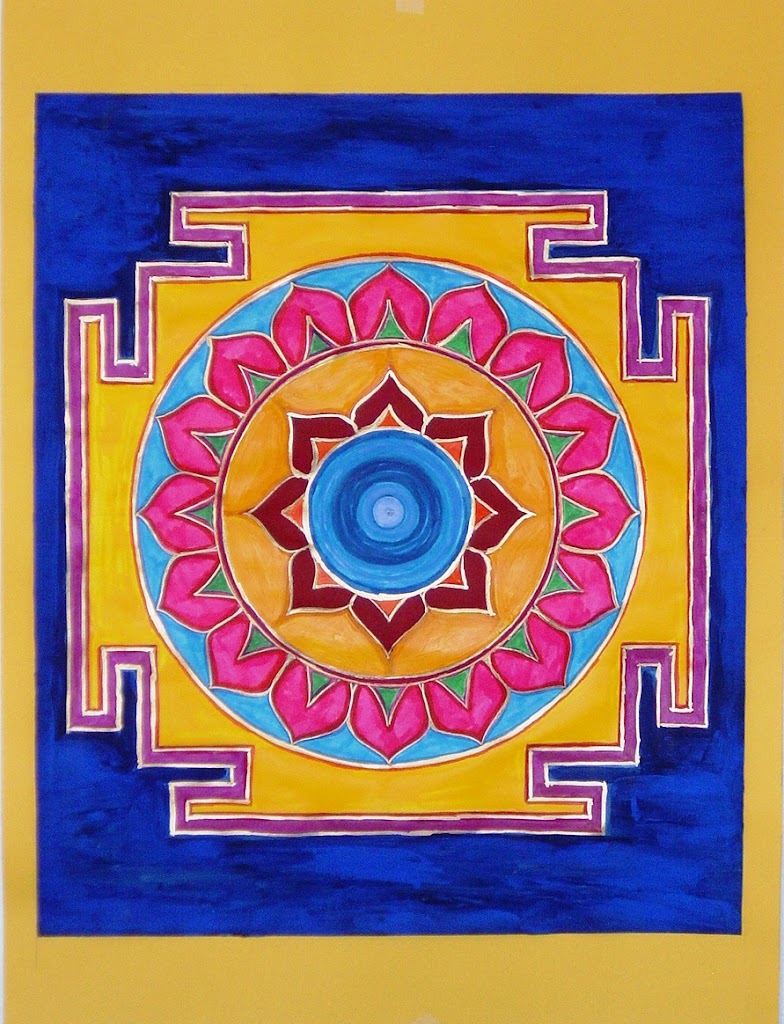
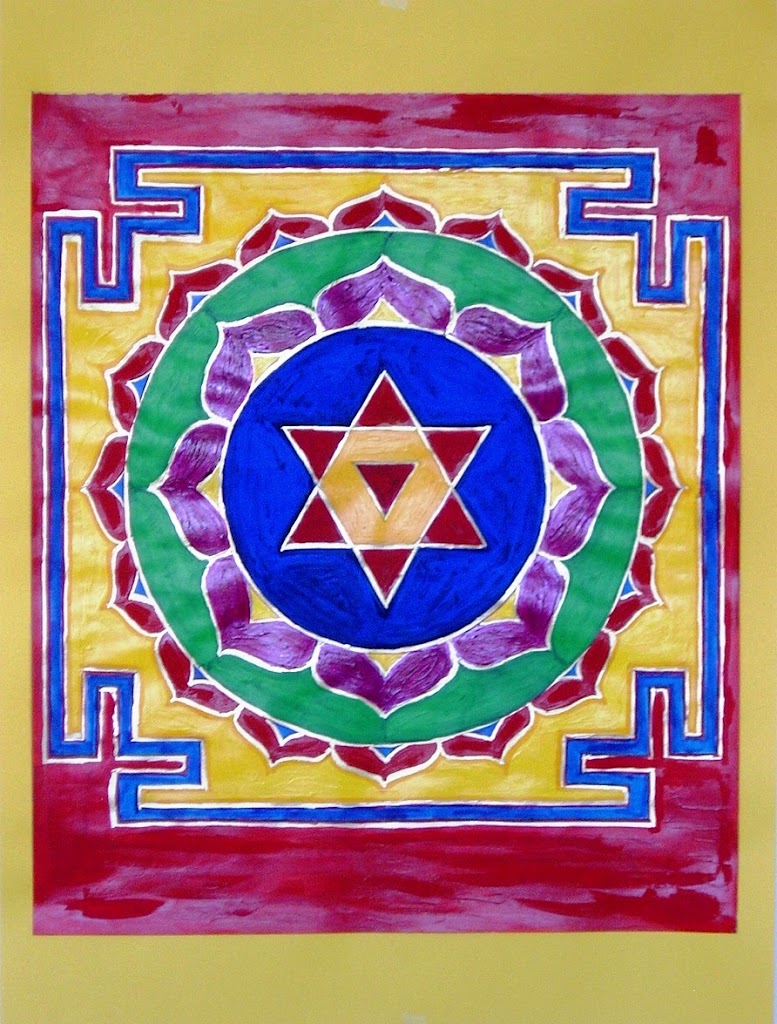
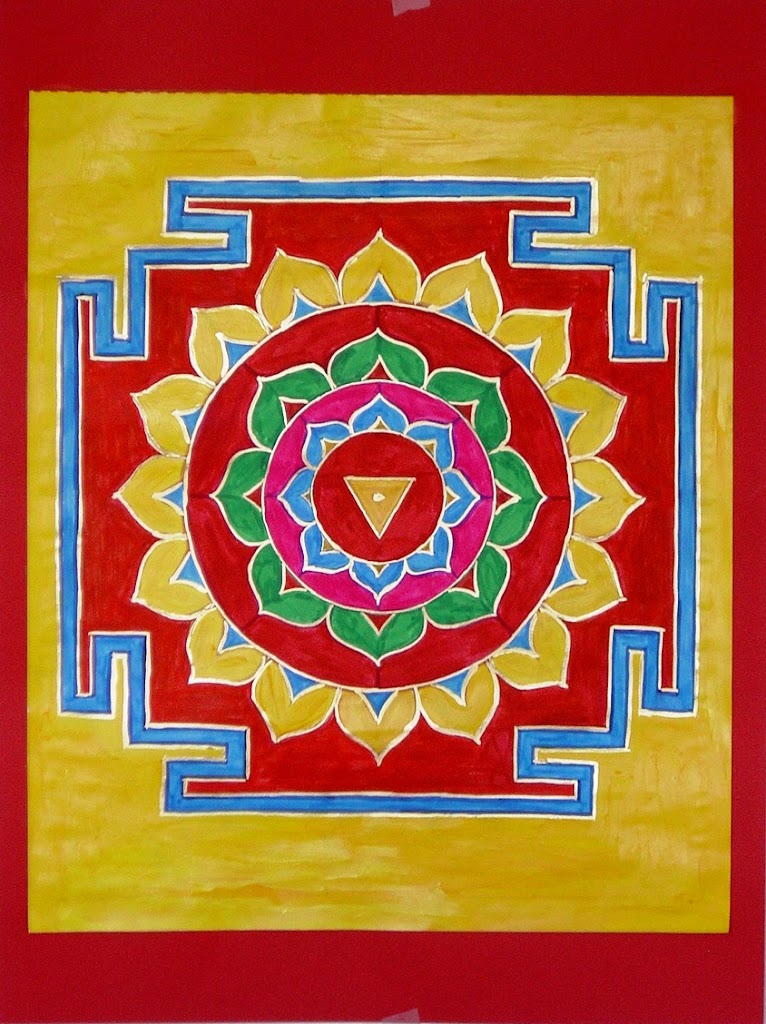
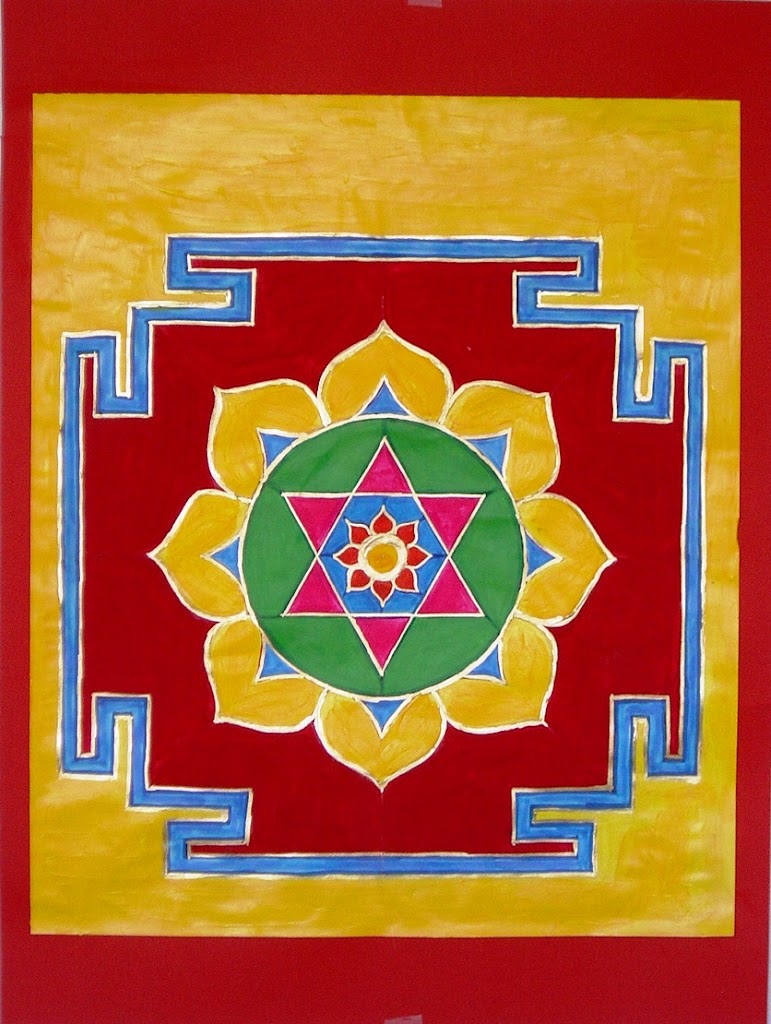
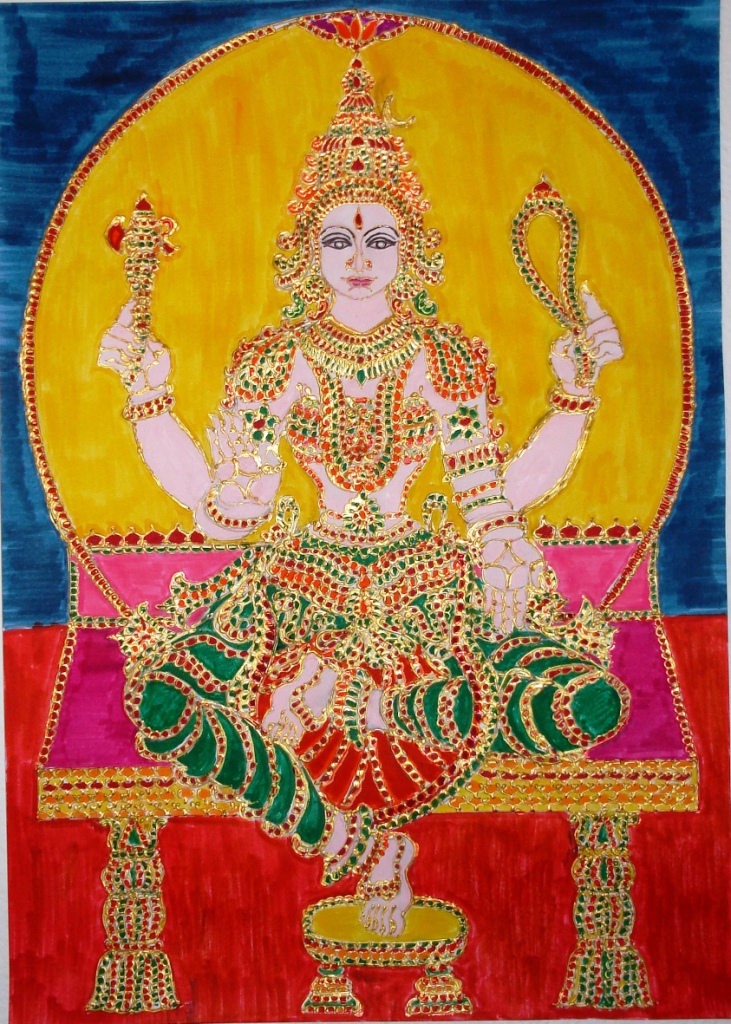
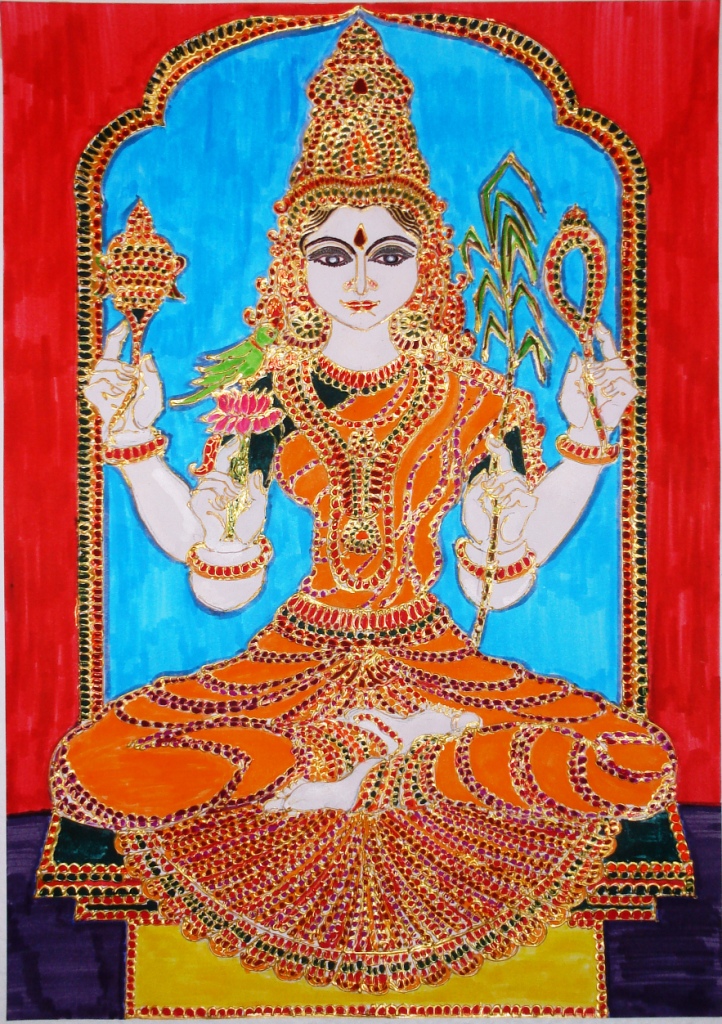
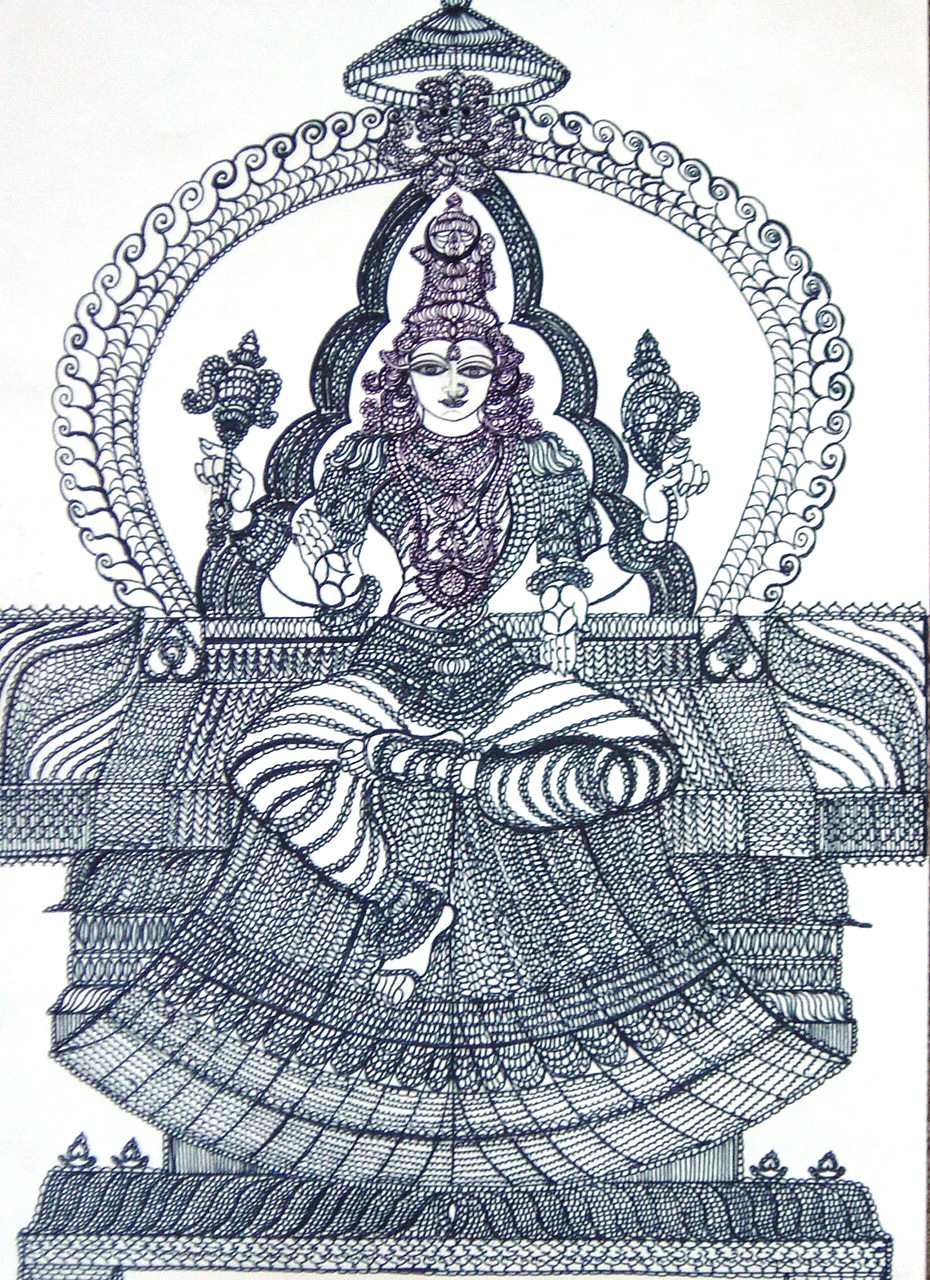
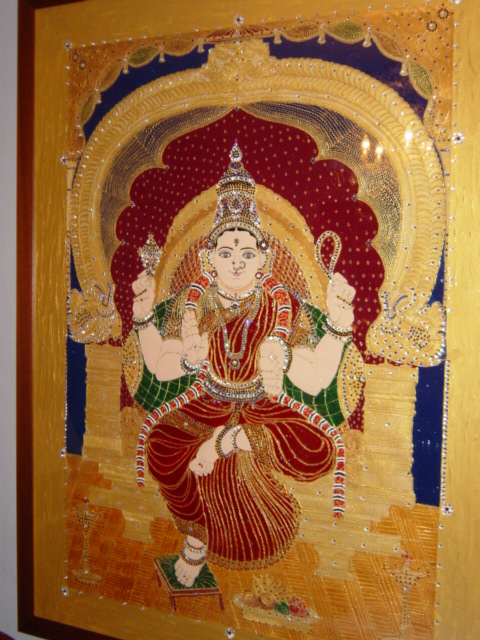
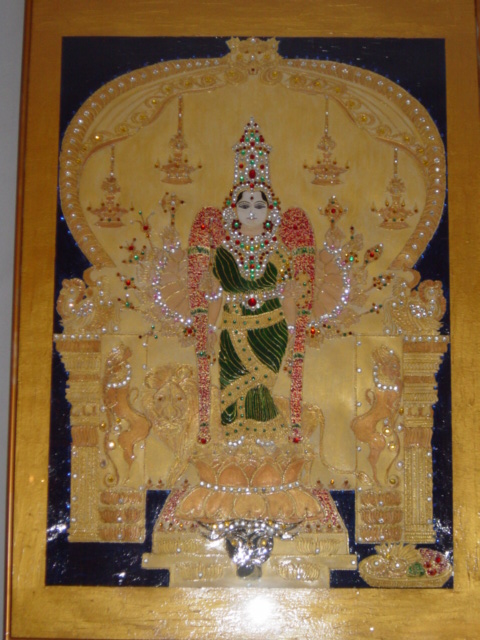
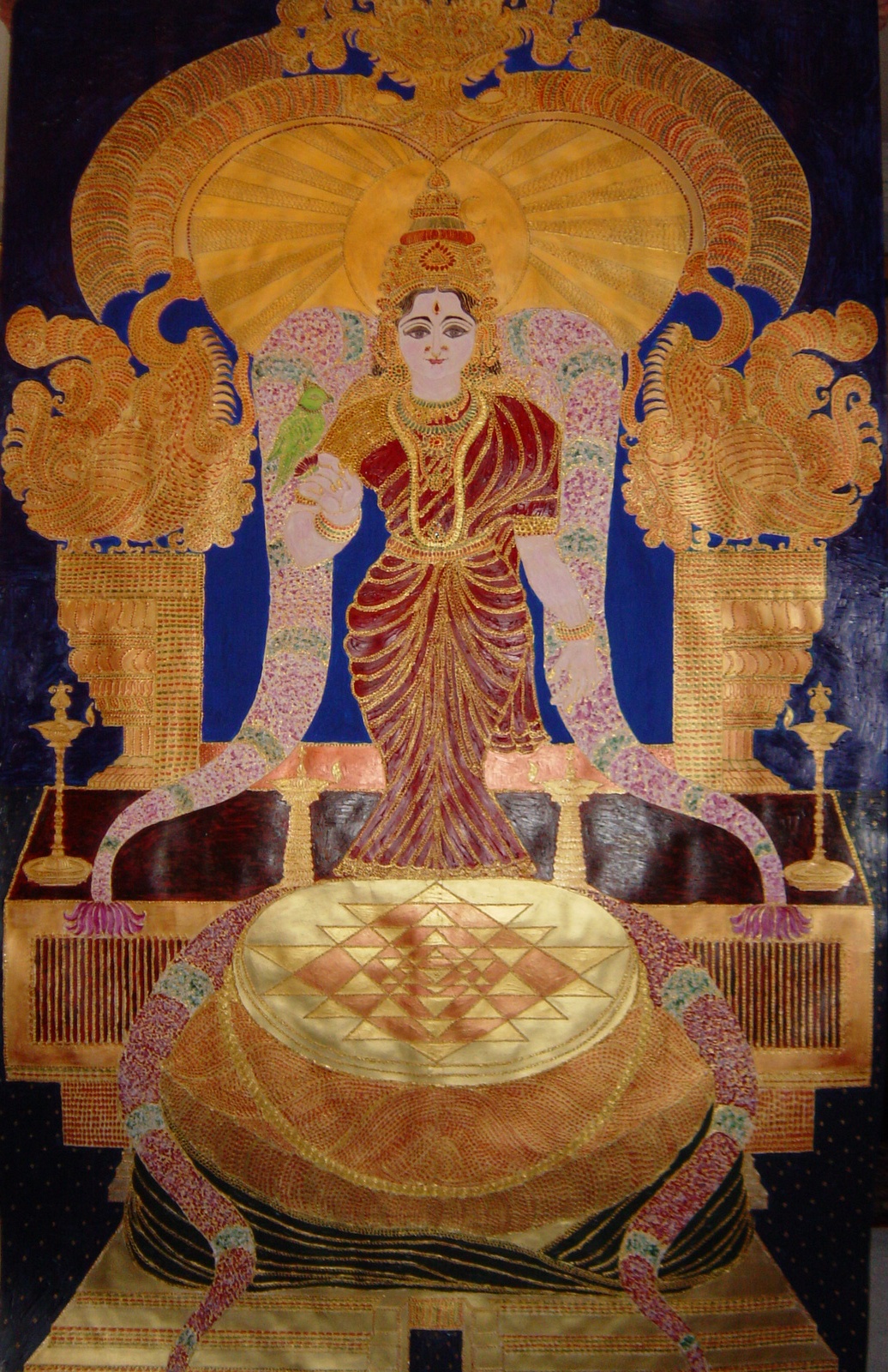
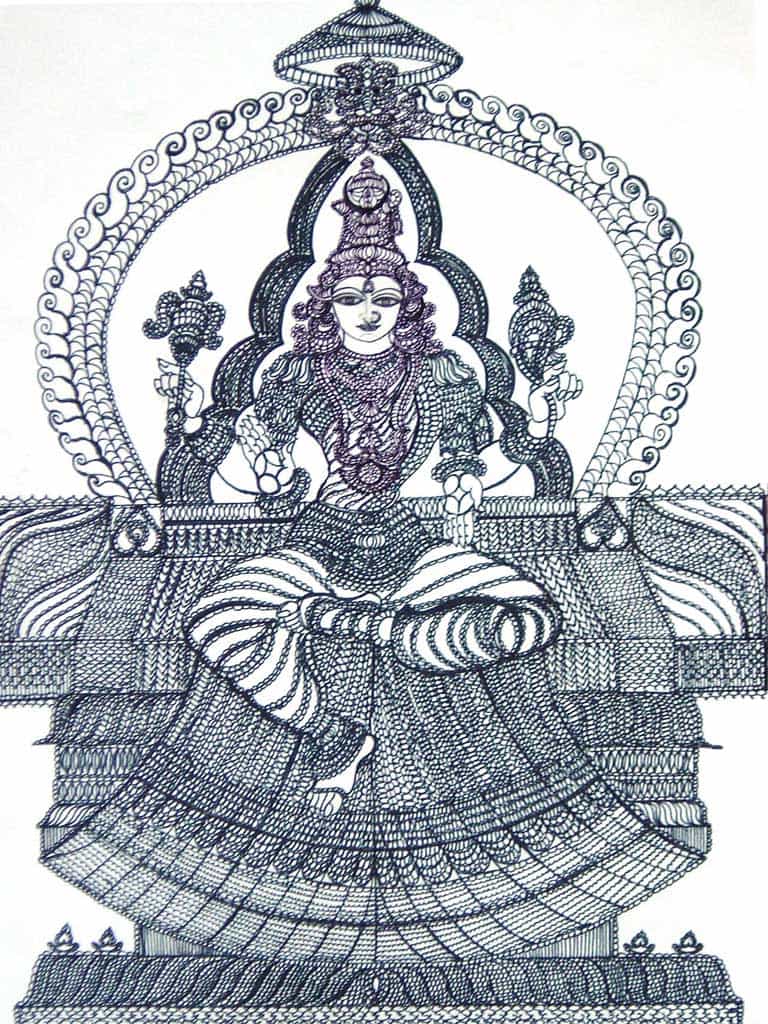
The word Nitya means “eternal” or “recurring”. The Fifteen Nityas represent the 15 lunar days or Thithis of the waxing Moon. The digits of the moon are 30; the number of days it approximately takes for the moon to orbit the earth. The waxing half is bright (Shukla Paksha) and the waning cycle is darker and therefore called Krishna Paksha. The full lunar cycle also represents the 21,600 breaths a human being takes in a full day. The Fifteen Nityas are thus a manifestation of the principles of Time and Space. They are considered as modifications of Lalitha with her three gunas (Sattva, Rajas and Tamas), and the five elements of ether, air, fire, water and earth. Understanding the real nature of these cosmic powers is essential as it reinforces the identity of the individual (microcosm) with Brahman (macrocosm). We learn to perceive divinity in every aspect of this Universe.
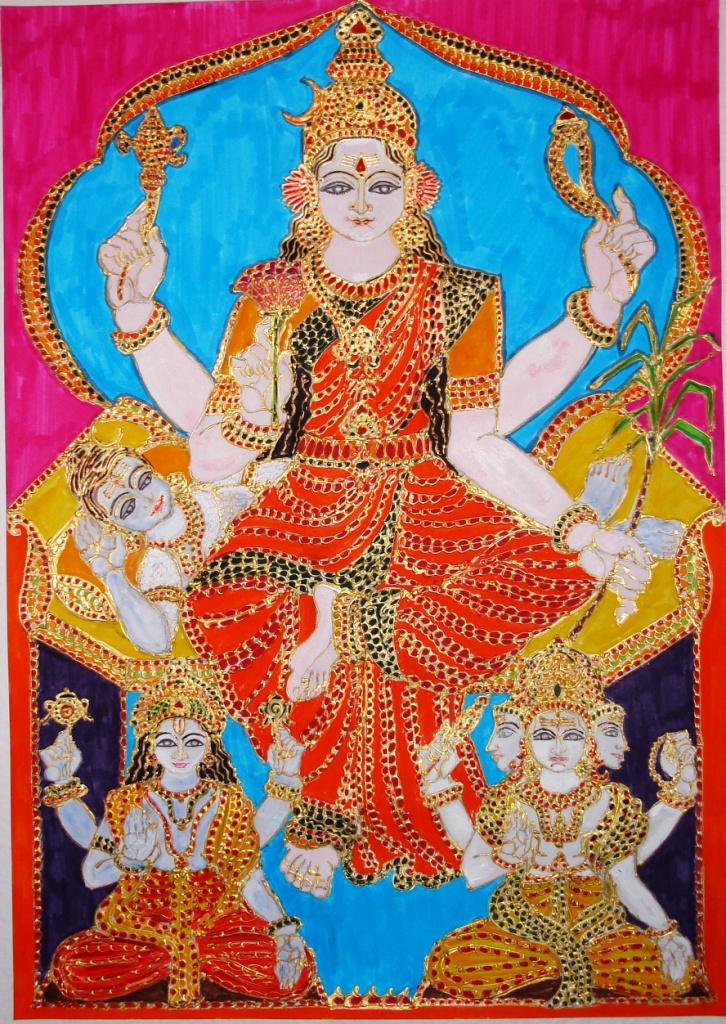
Lalitha Tripurasundari, the ruler of the Three worlds is the pure Conciousness from whom all the other Nitya deities emanate. She is present in every day of the cycle both within and energising each Nitya.
Each Lunar day and its resident Nitya deity radiate a special energy force. Meditating on the yantras for each Nitya with an understanding of their powers and special significance can help reduce stress and tensions and create a peaceful, harmonious environment. READ MORE ABOUT EACH OF THE SIXTEEN NITYAS
Gallery 7: Dasha Maha Vidyas – Spiritual Vision Art

Spiritual Vision Art
by Uma Kumar
Gallery 7: Dasha Maha Vidyas

OM GANESHAYA NAMAH
OM GURUBYOH NAMAH
DASHA MAHAA VIDYAS
THE TEN GREAT COSMIC POWERS OF KNOWLEDGE.
The attainment of self realisation is the only goal for true spiritual seekers. Unless the true nature of Atman and its divinity is clearly understood, we as individuals continue to flounder in the vast ocean of samsara. As long as each Jiva or individual soul thinks, under the influence of Maya or ignorance that he is the doer and enjoyer thus identifying himself with his body, he can never attain liberation. What lies beyond this material universe is a mystery to most of us. We do not understand why we are born, when we are going to die or whether any part of our mental conciousness survives us after death. The physical form and name with which we are endowed at birth continues right up until the end of our lives. After this disappears as it inevitably must, what happens? The Vedas give many answers. Rebirth is certain for everyone and is irrevocably linked with previous actions and accumulated karma. However, those who have been fortunate to gain the wisdom of the infinite have no rebirth. They merge into the unchanging, attributeless, ever present conciousness. In other words, they become the same as Sadaa Shiva! The energy force that activates the entire universe is Shakthi, the female counterpart of Shiva. In reality, there is no difference between God and his Shakthi just as there is no difference between the Sun and its heat energy. Without the energy of Shakthi, there is no manifestation principle. It is only through the grace of Shakthi and by continuous self introspection that an individual soul can free himself from all attachments that tie him down to the material world and attain spiritual insight.
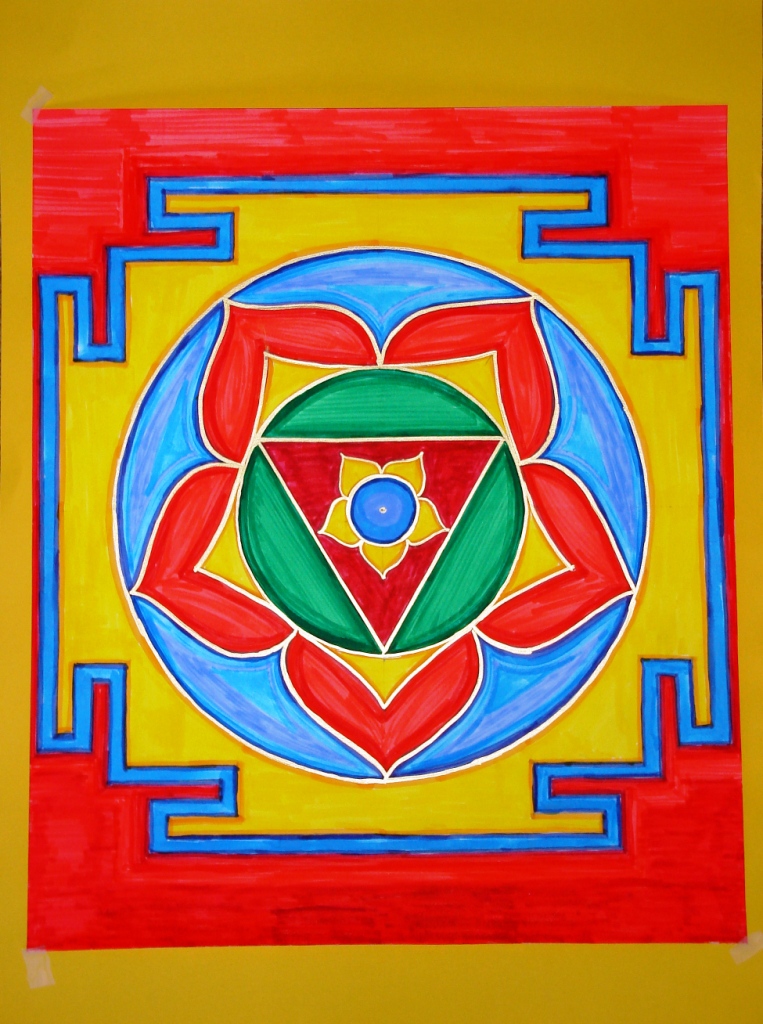
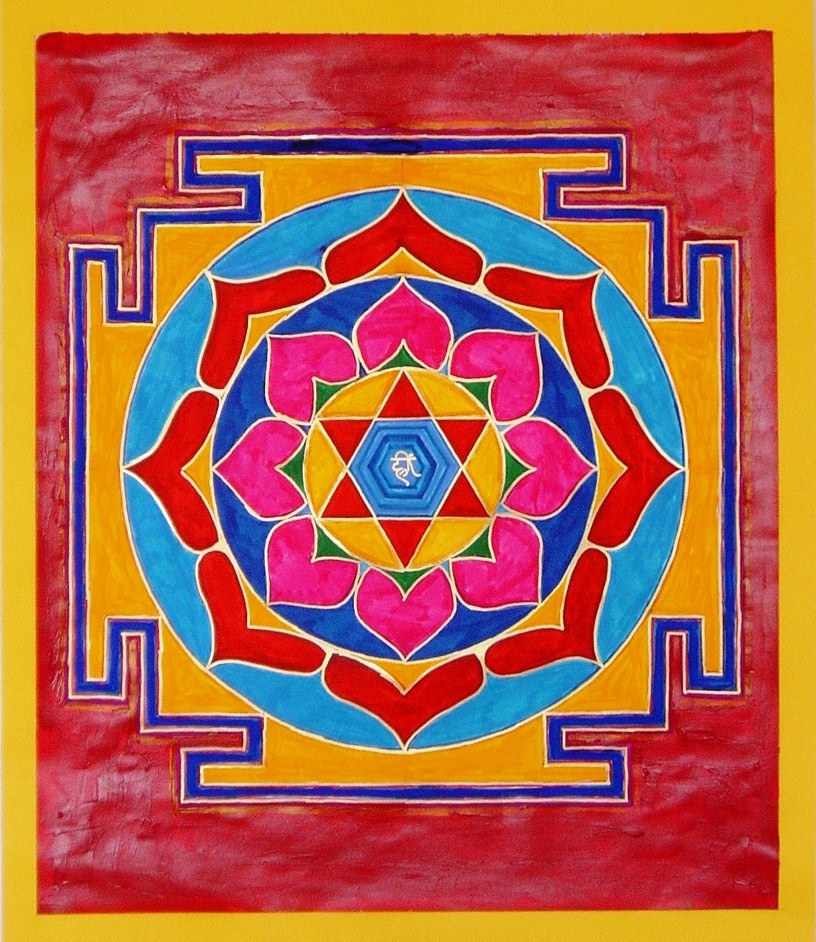
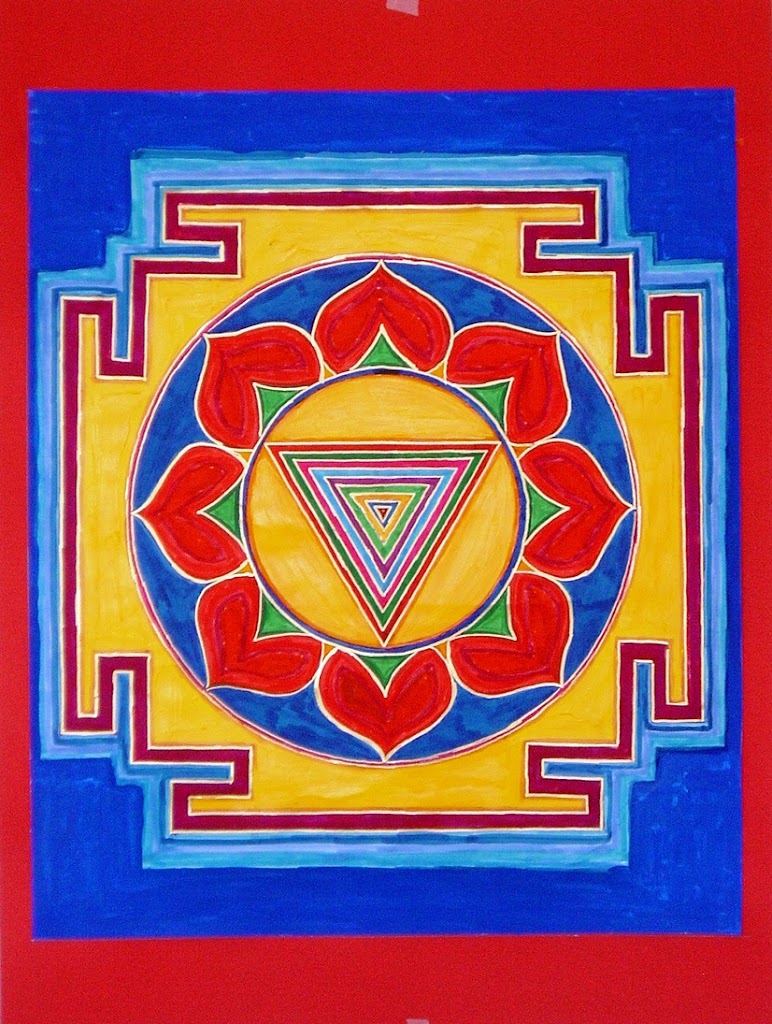
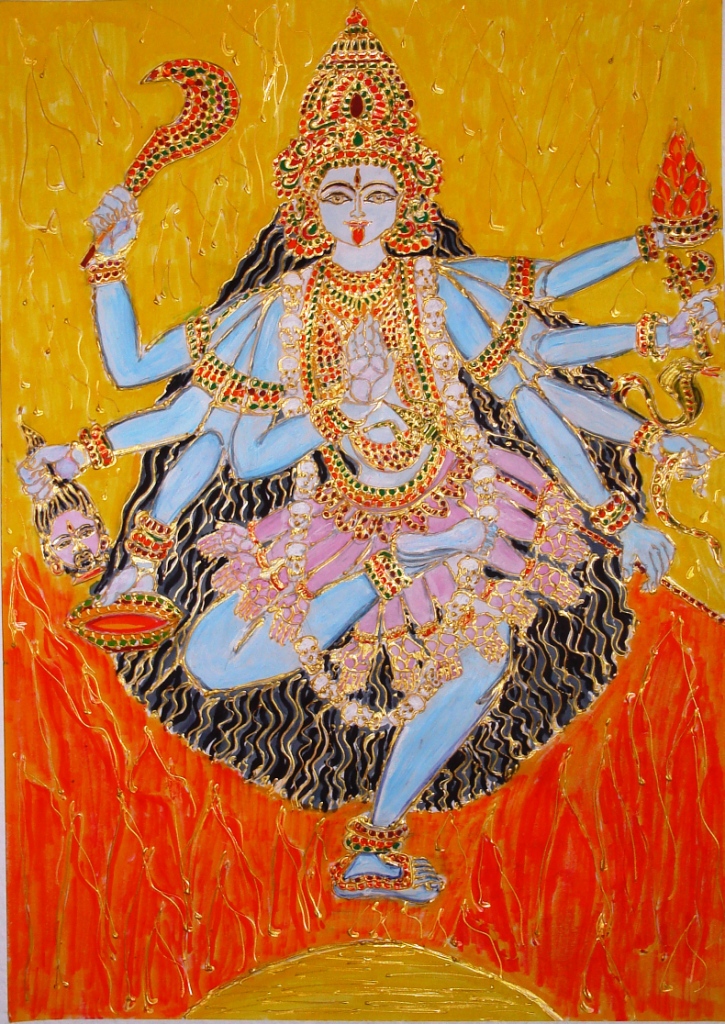
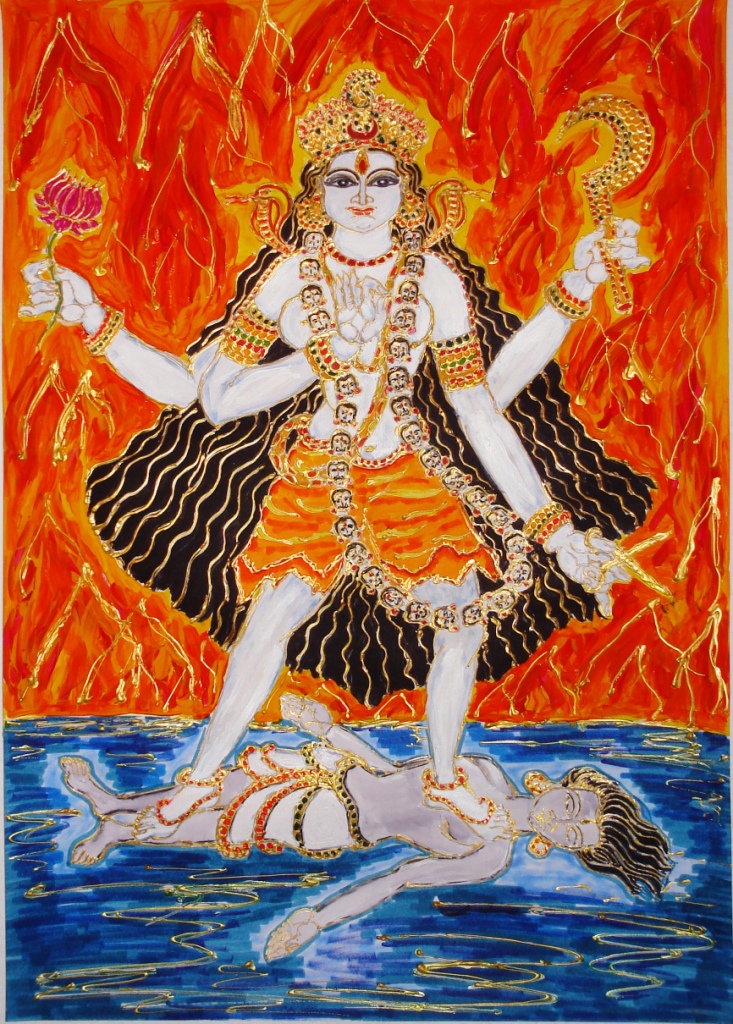
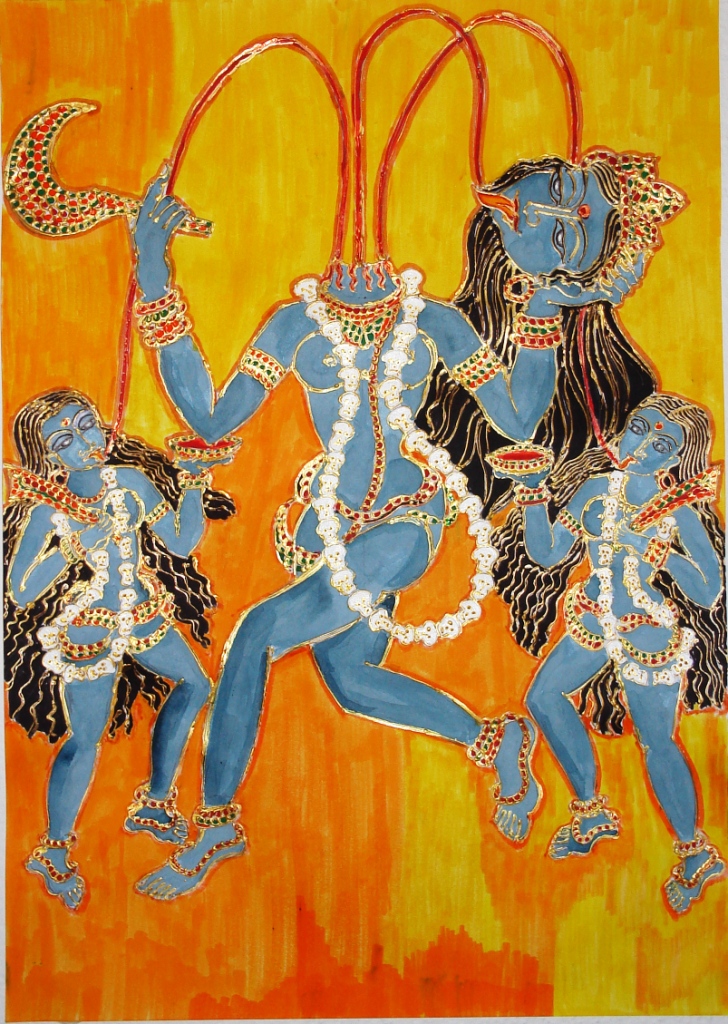
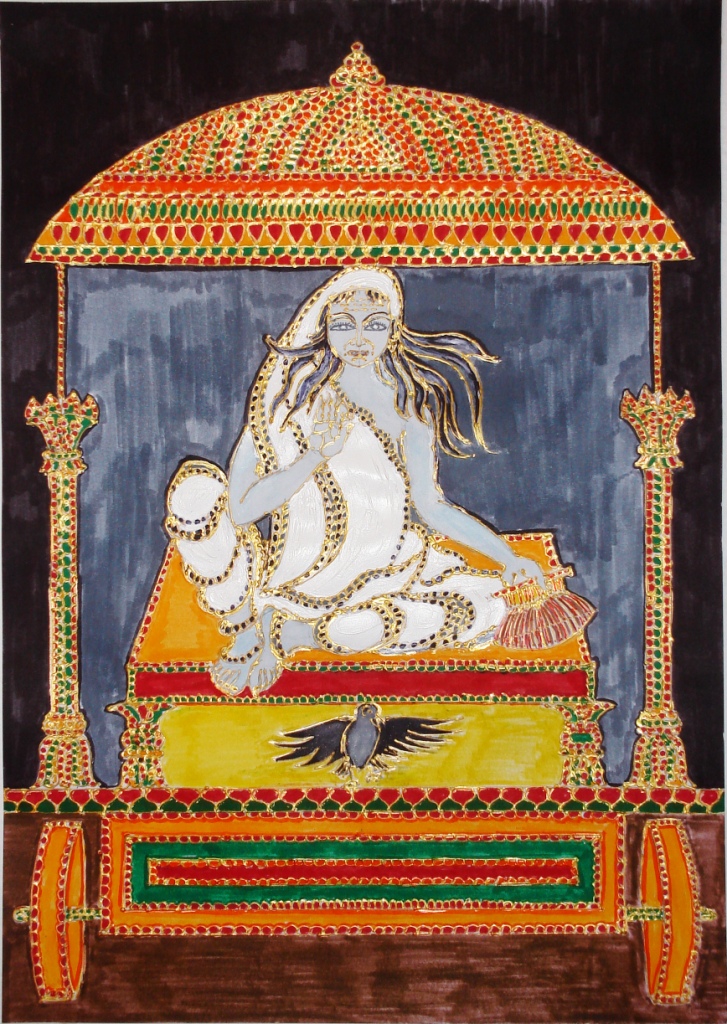
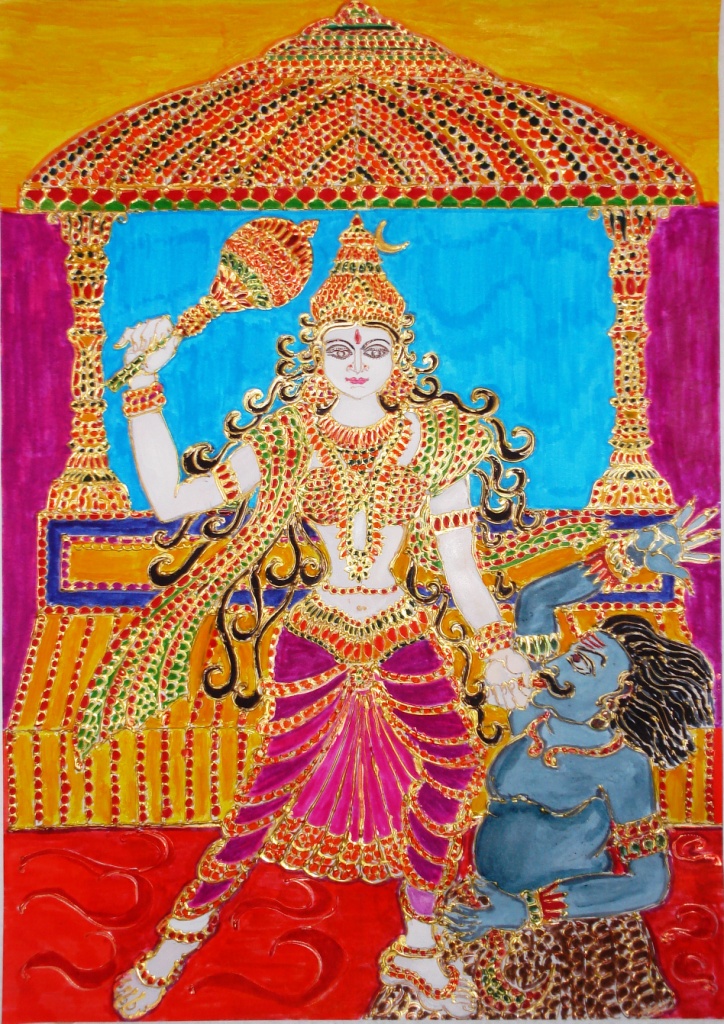
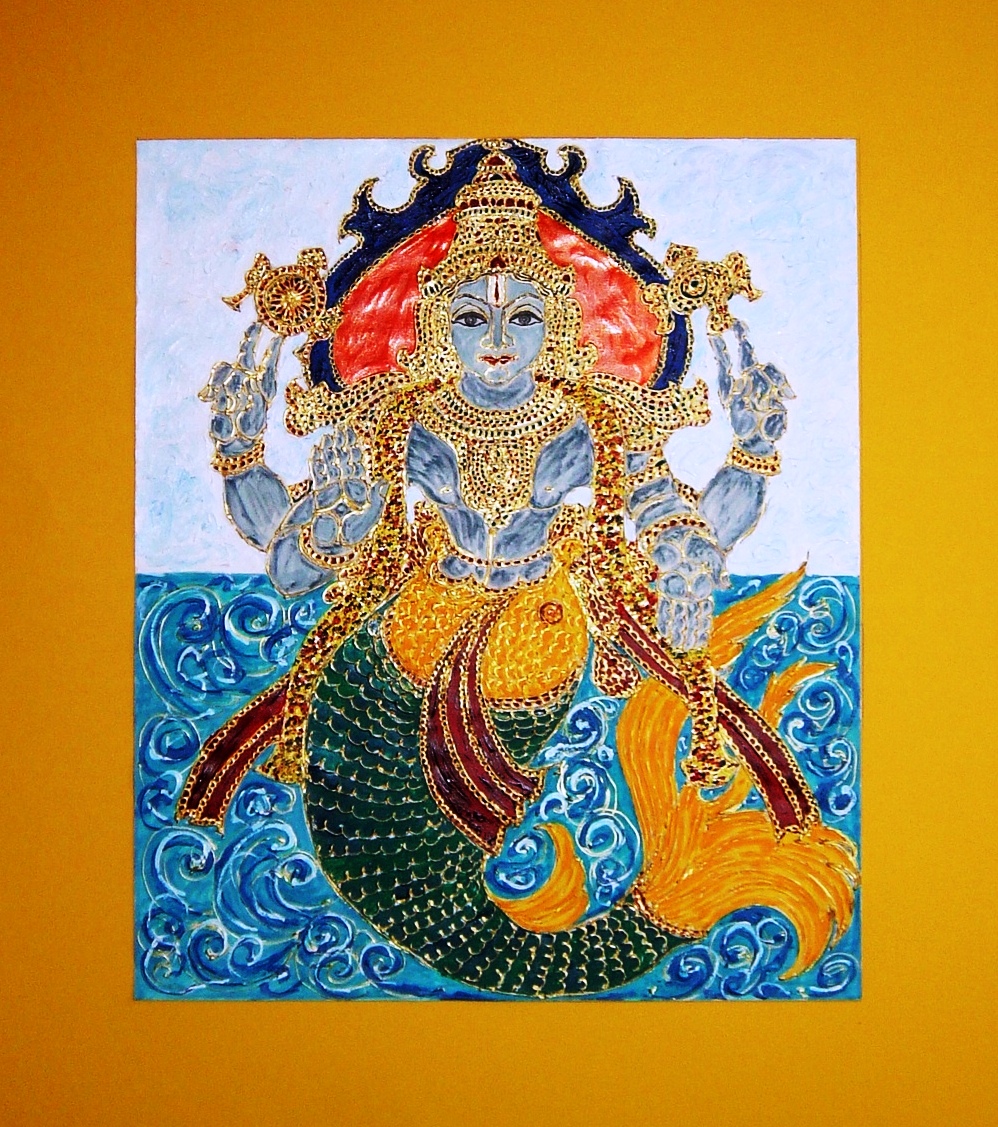
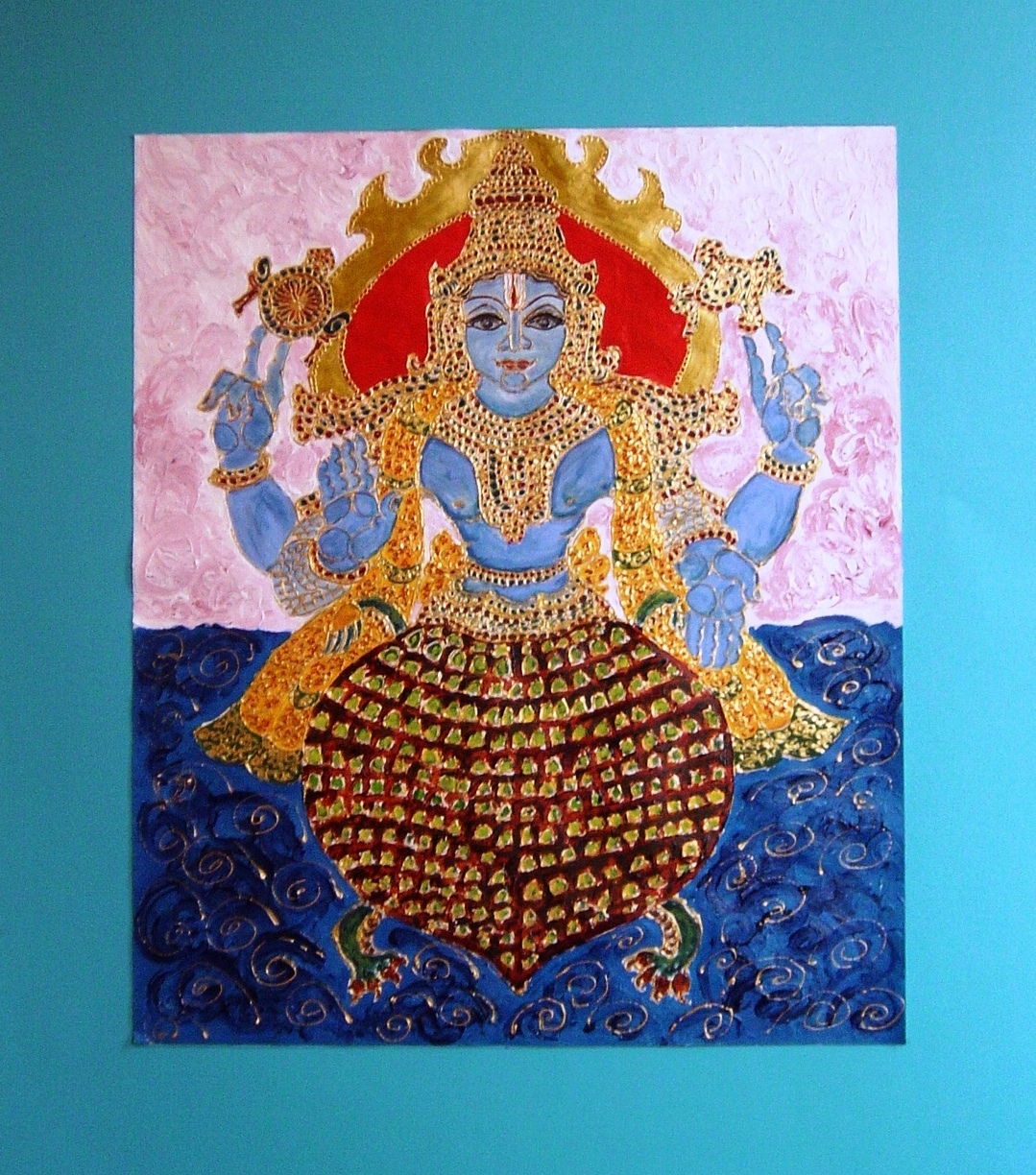
The Dasha Mahaa Vidyas or the Ten Great Cosmic powers of Knowledge are the ten fundamental aspects of the Supreme Cosmic Mother. Each have a specific function and each leads to a special realisation of the One Reality. The group of Ten Vidyas reflect the dynamic unity of existence in which all aspects of life- the darkest, purest, beautiful, ugly, forceful, and inert combine to form a unified whole. Worship of the Vidyas is to understand the true nature of each Deity as the indweller of the Self. The Ten Mahaa Vidyas reflect ten different ways of knowing ourselves and the universe through identification with the ten fundamental energies of the Cosmos. They represent a vast range of concepts pertaining to life. Each of them focus on a specific topic ; some are pleasant, some are frightening , but all of them are instructive and inspire seekers to delve deeper in their quest for knowledge beyond the realm of the physical limitations of the world they live in.
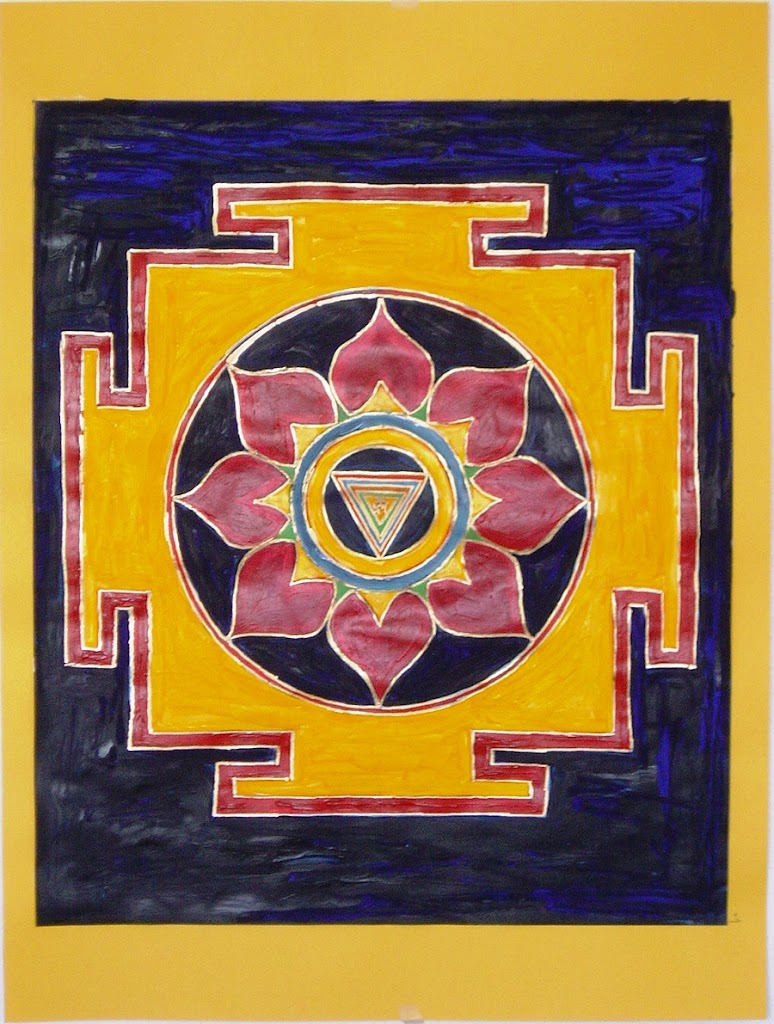
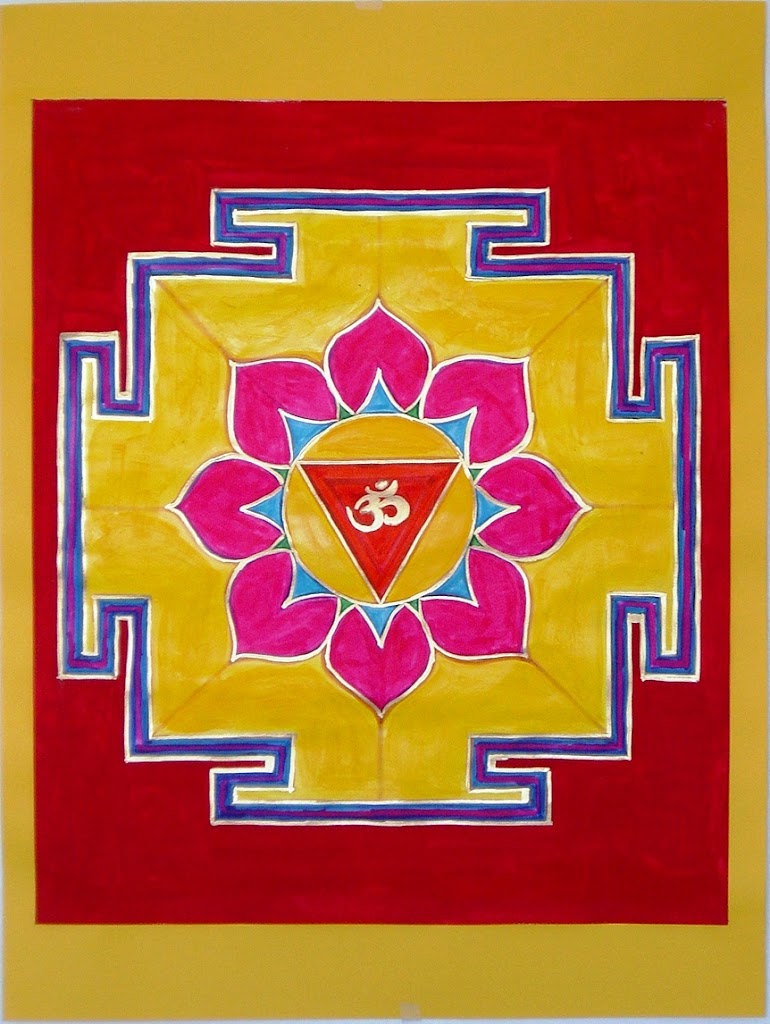
The Yantras of the Dasha Mahaa Vidyas represent these powerful cosmic forces in the form line drawings. Just as mantras trap the energy of astral deities in the form of sound, yantras contain these energy fields within diagrammatic shapes . The physical image of each deity is also presented here and it should be regarded merely as a symbolic representation of the concepts each of these powers depict. READ MORE ABOUT EACH OF THE TEN DASHA MAHAA VIDYAS. 

Gallery 3: Deities – Spiritual Vision Art

Spiritual Vision Art
Gallery 3: Deities
by Uma Kumar

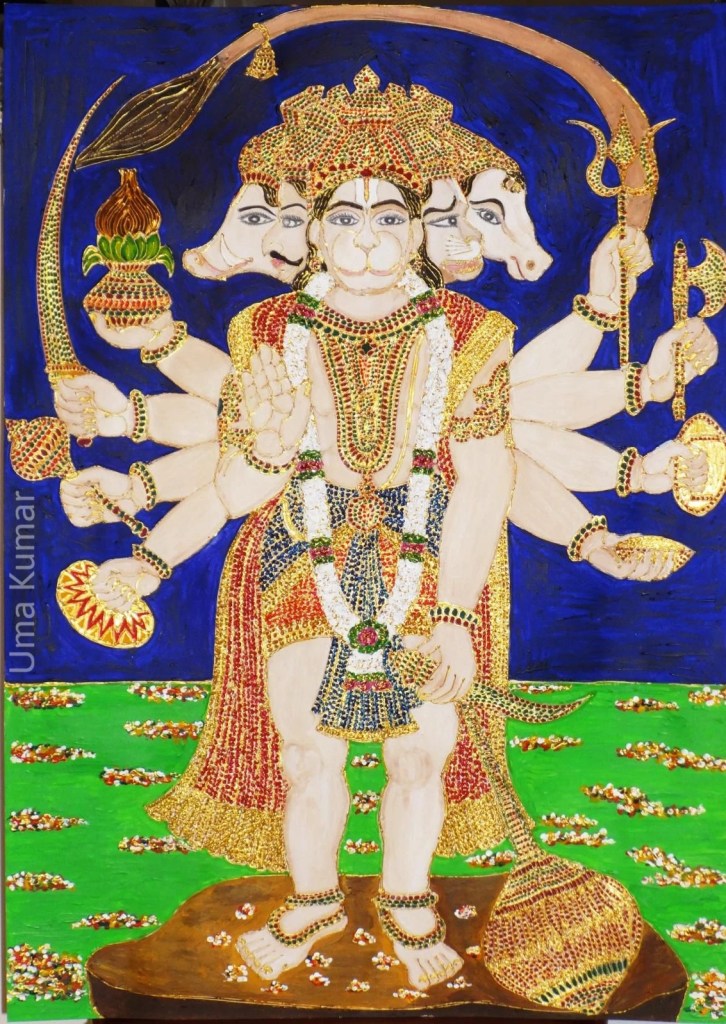
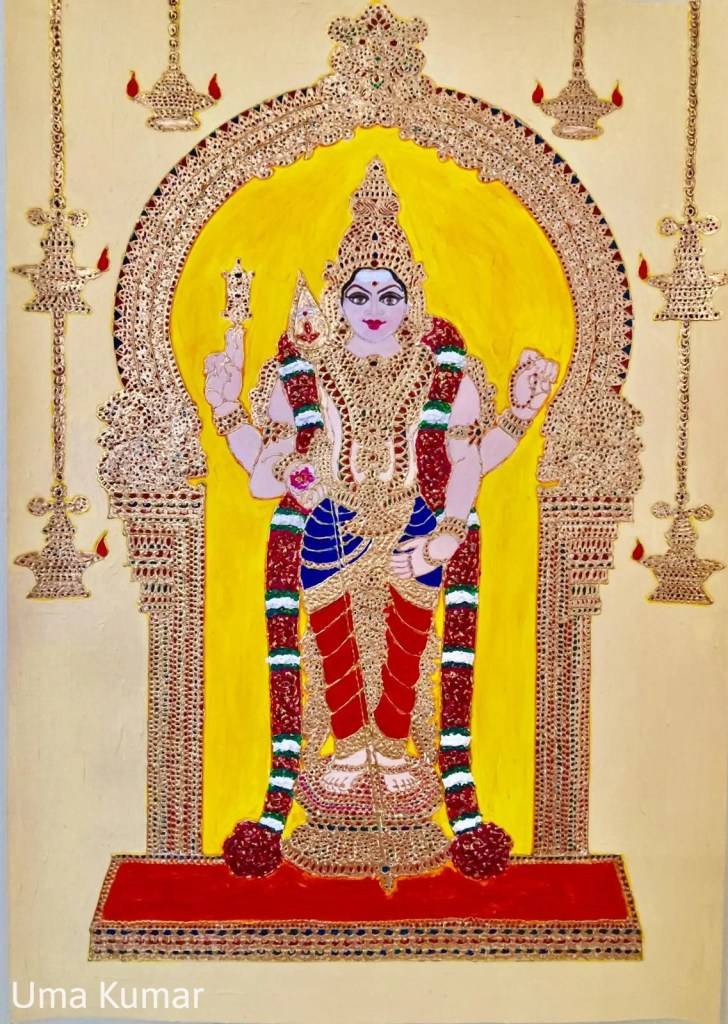
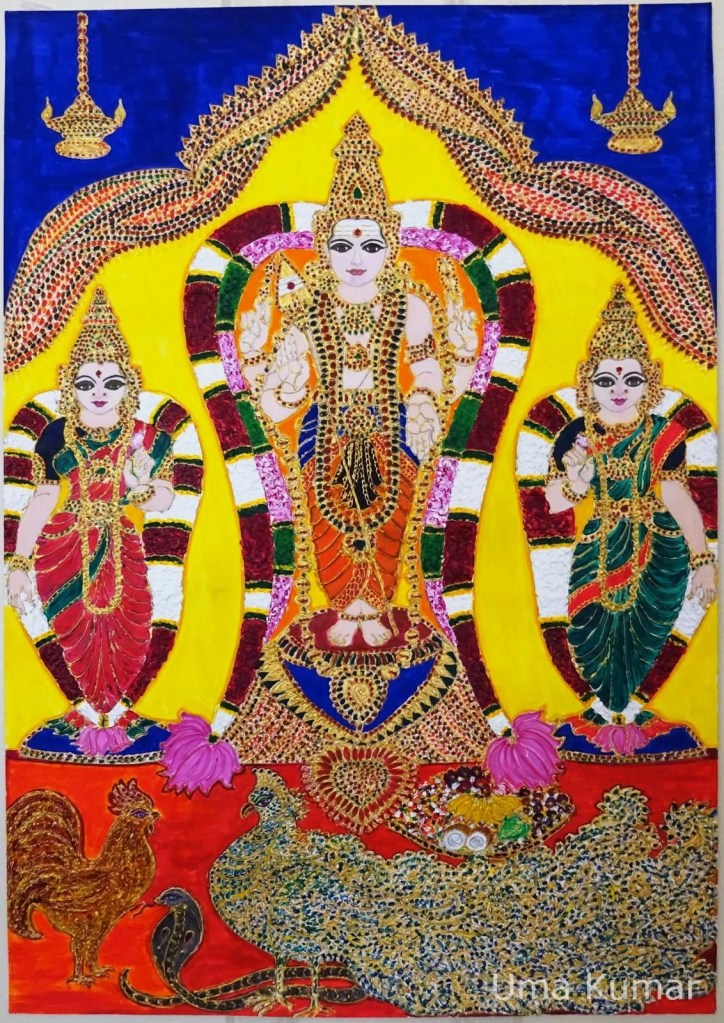
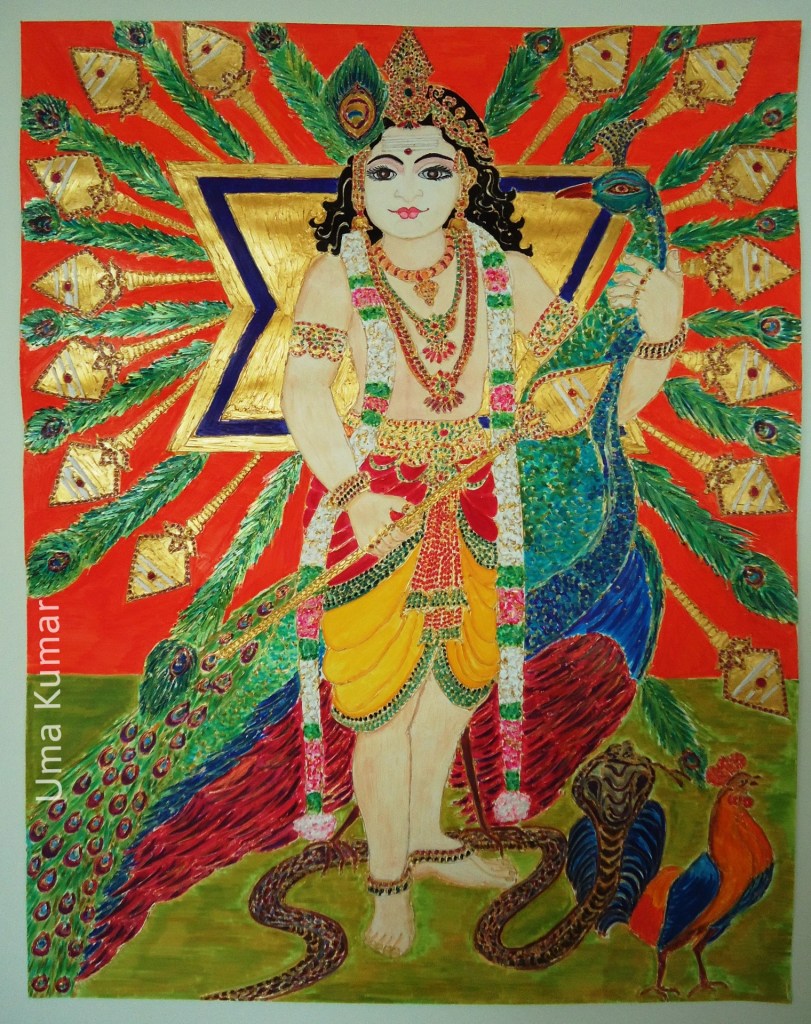
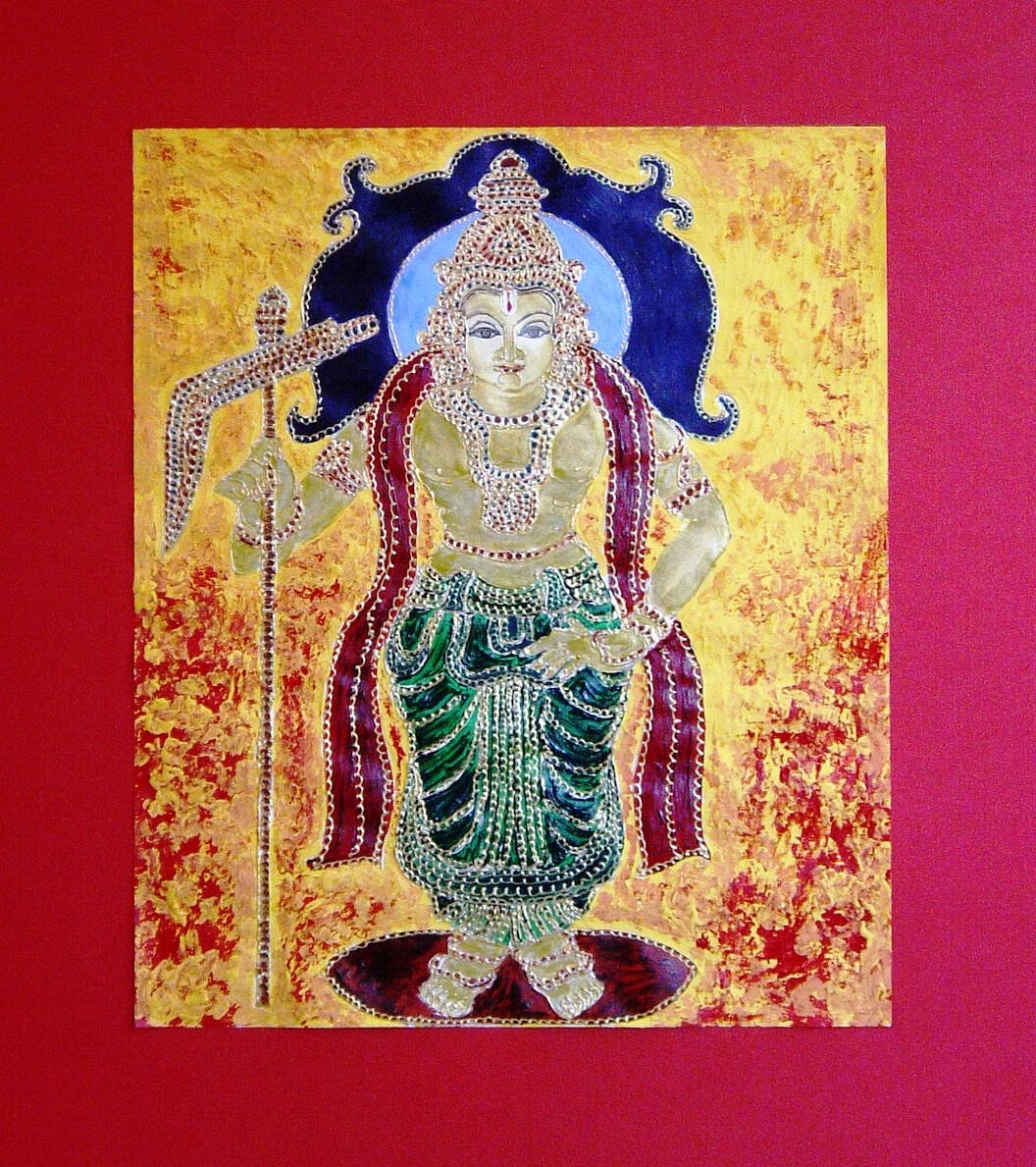
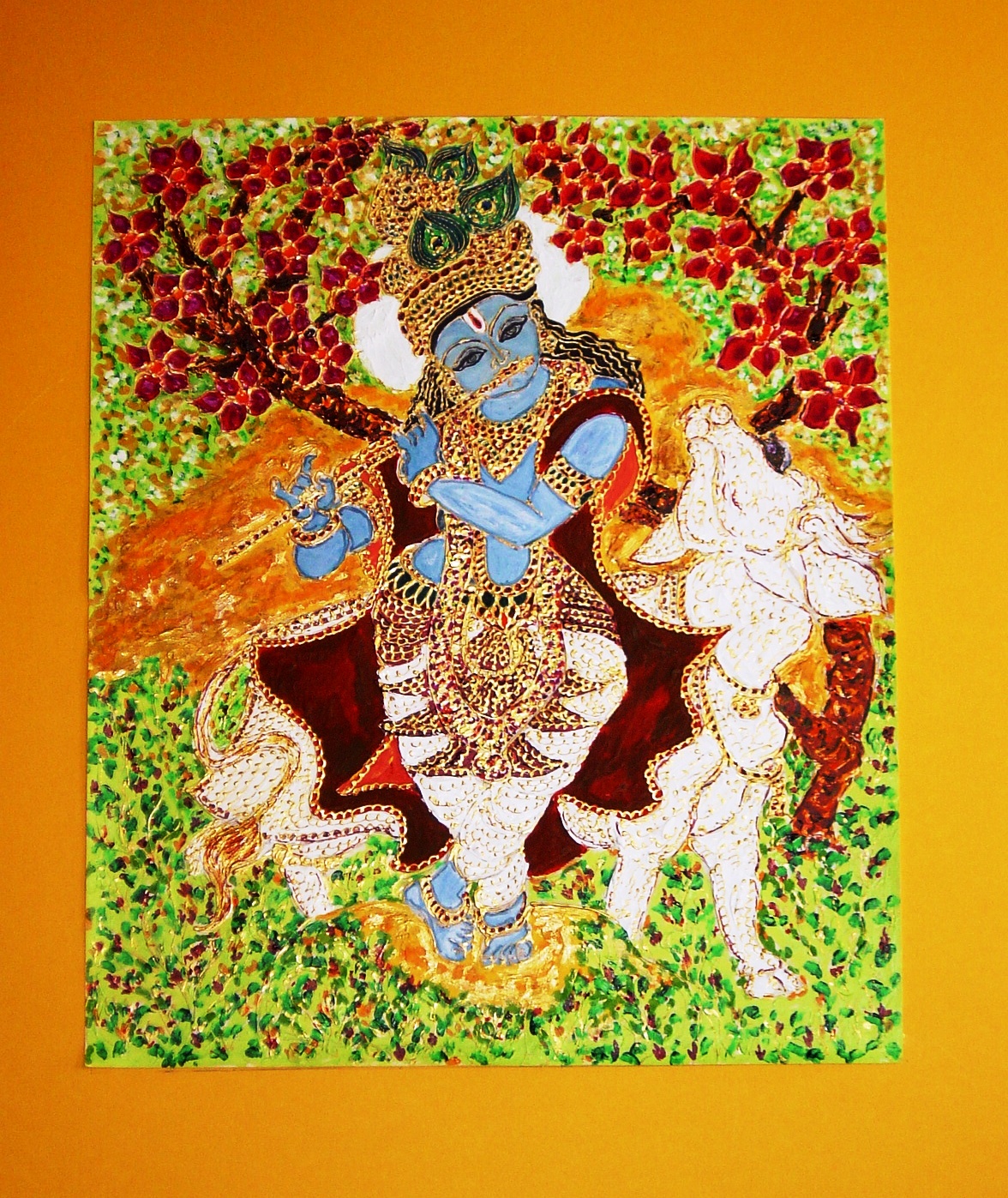
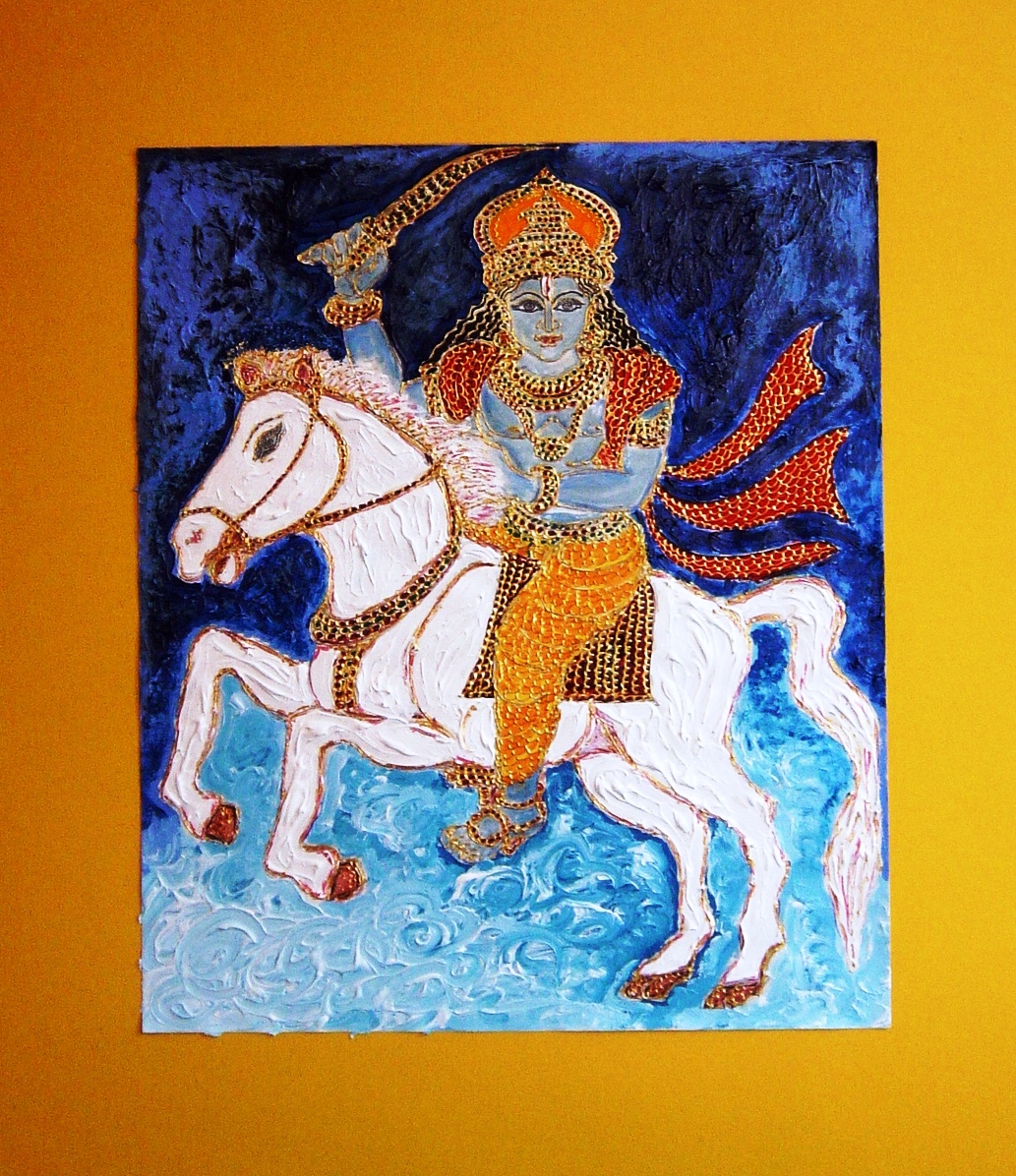
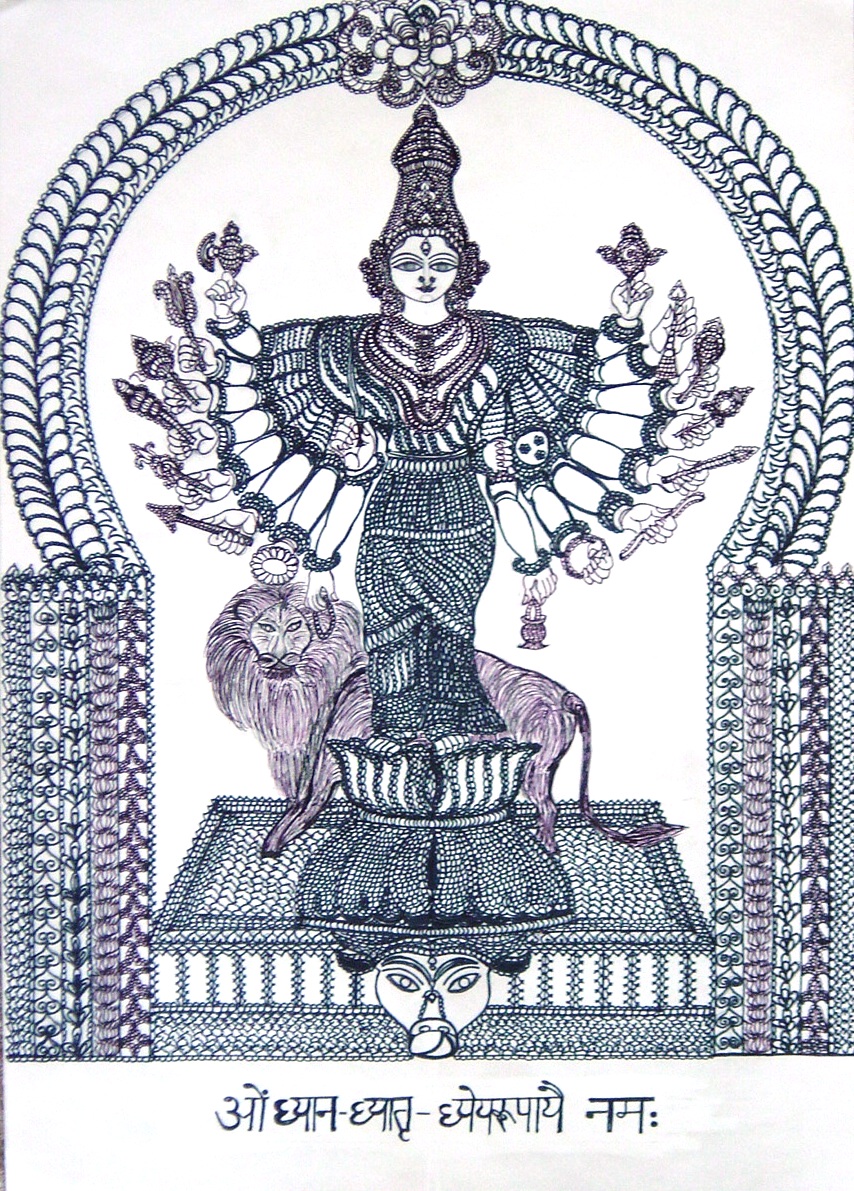
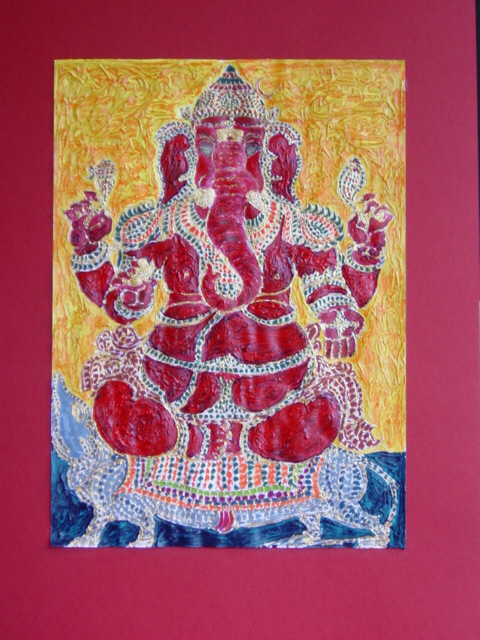
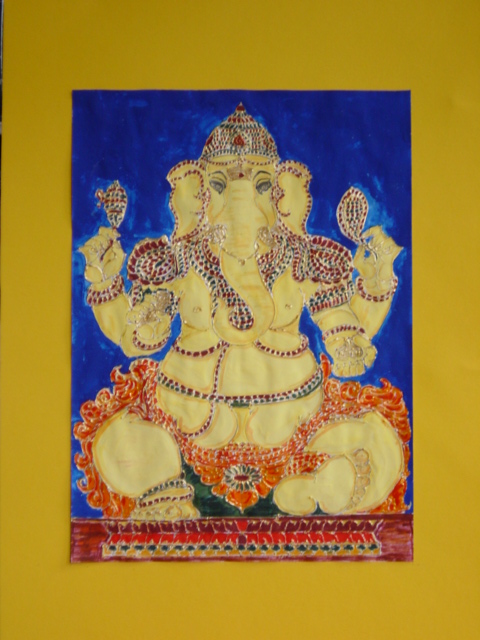
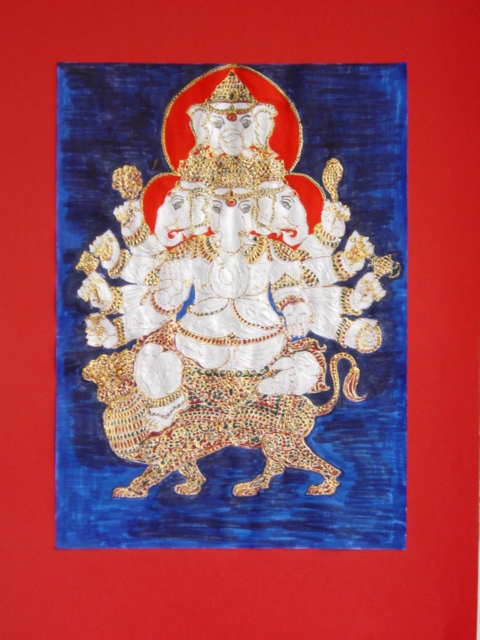
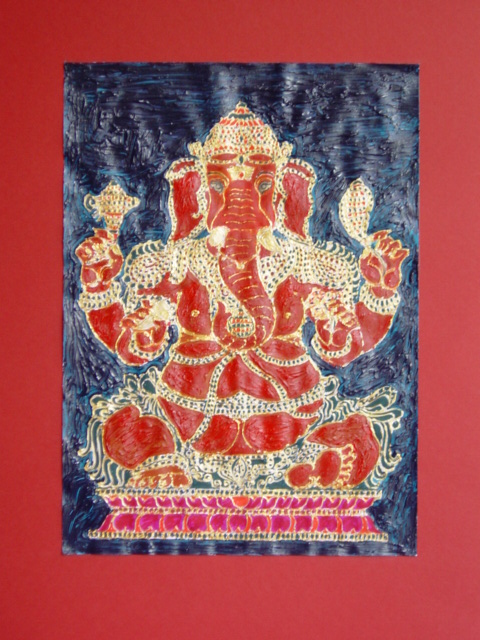
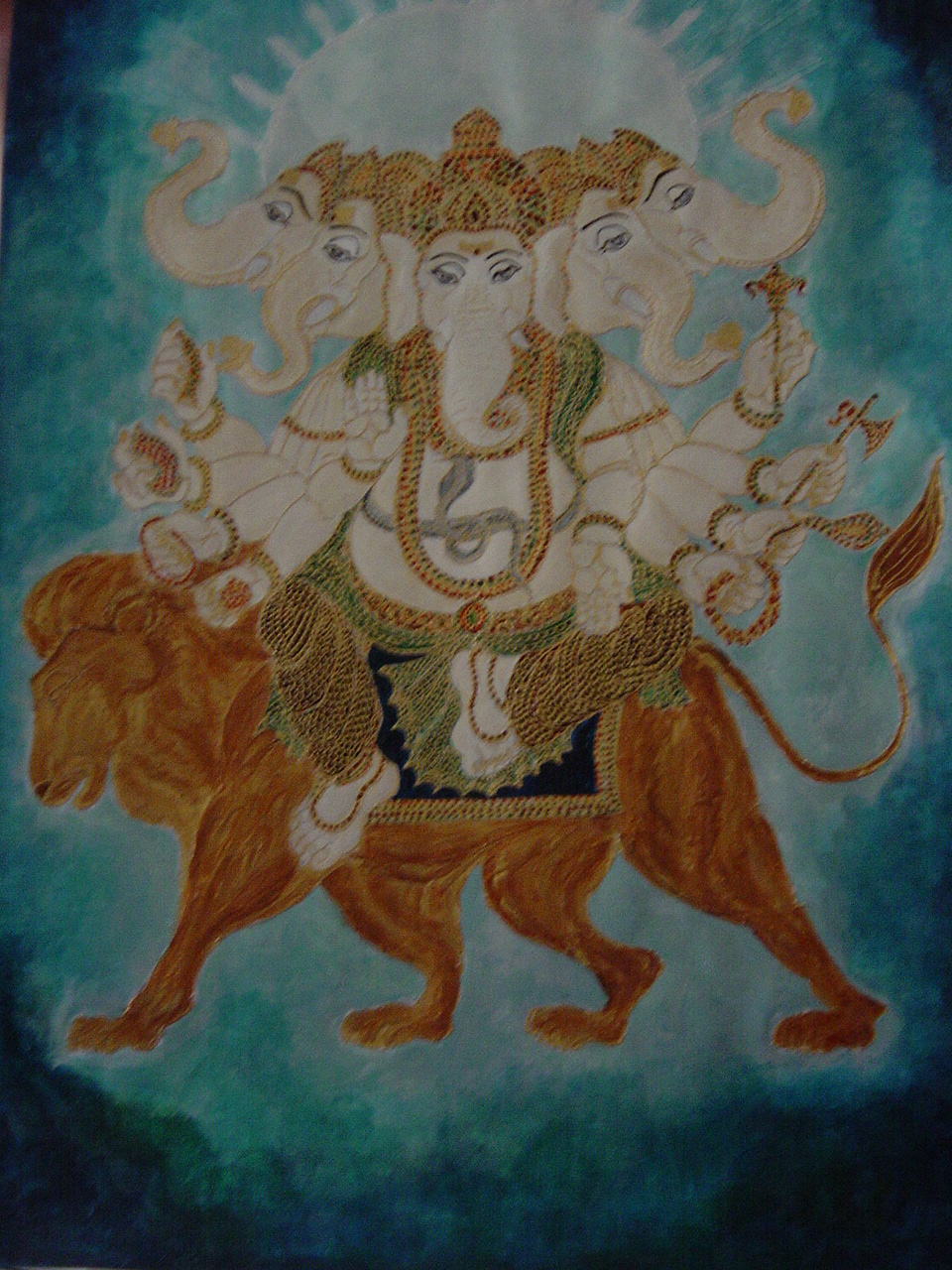
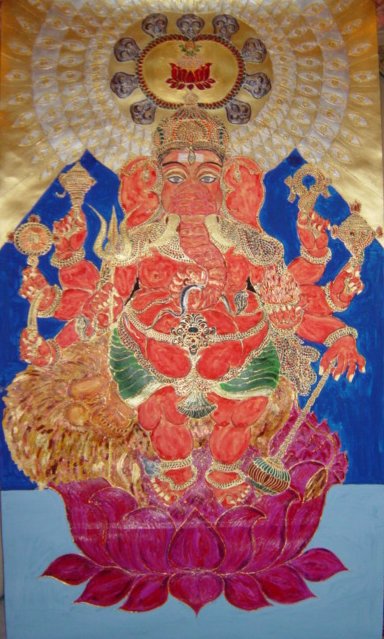
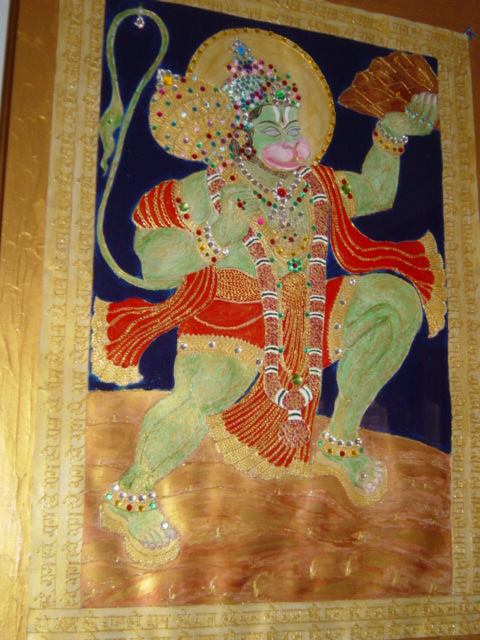
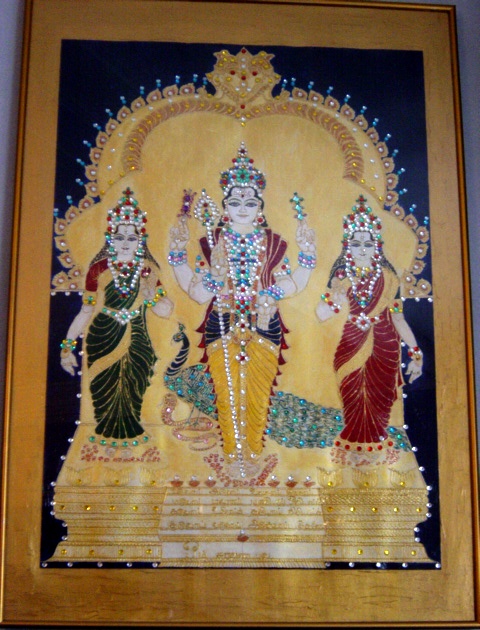
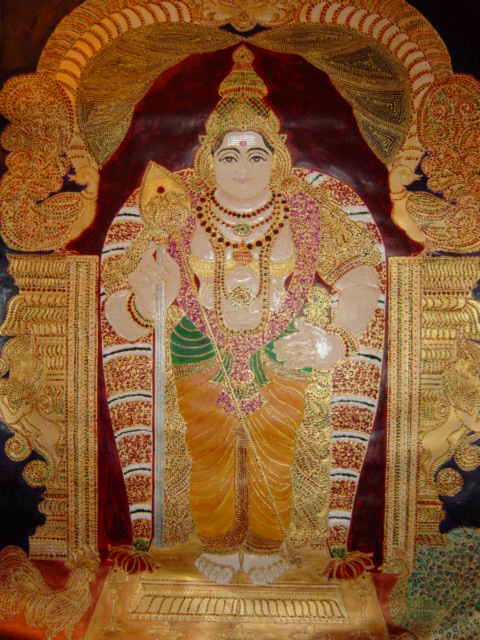
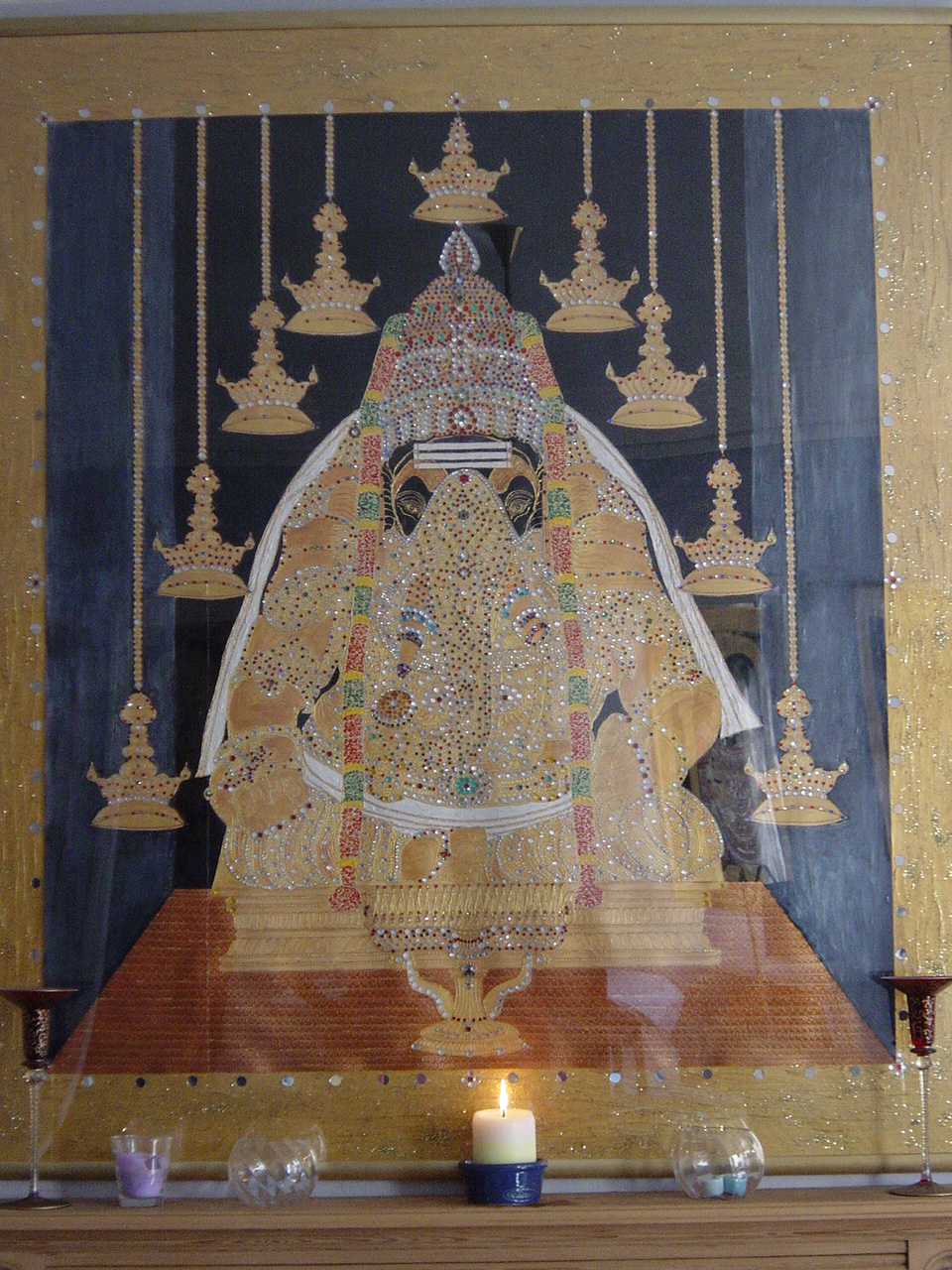
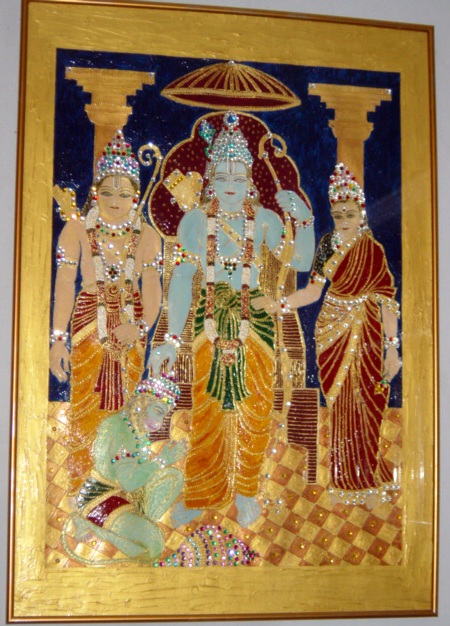
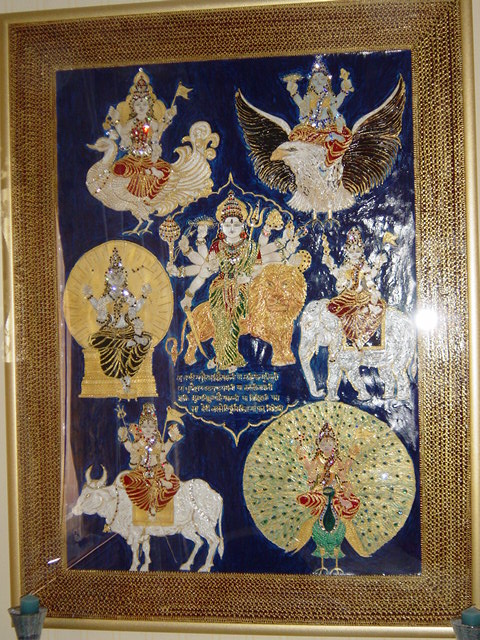
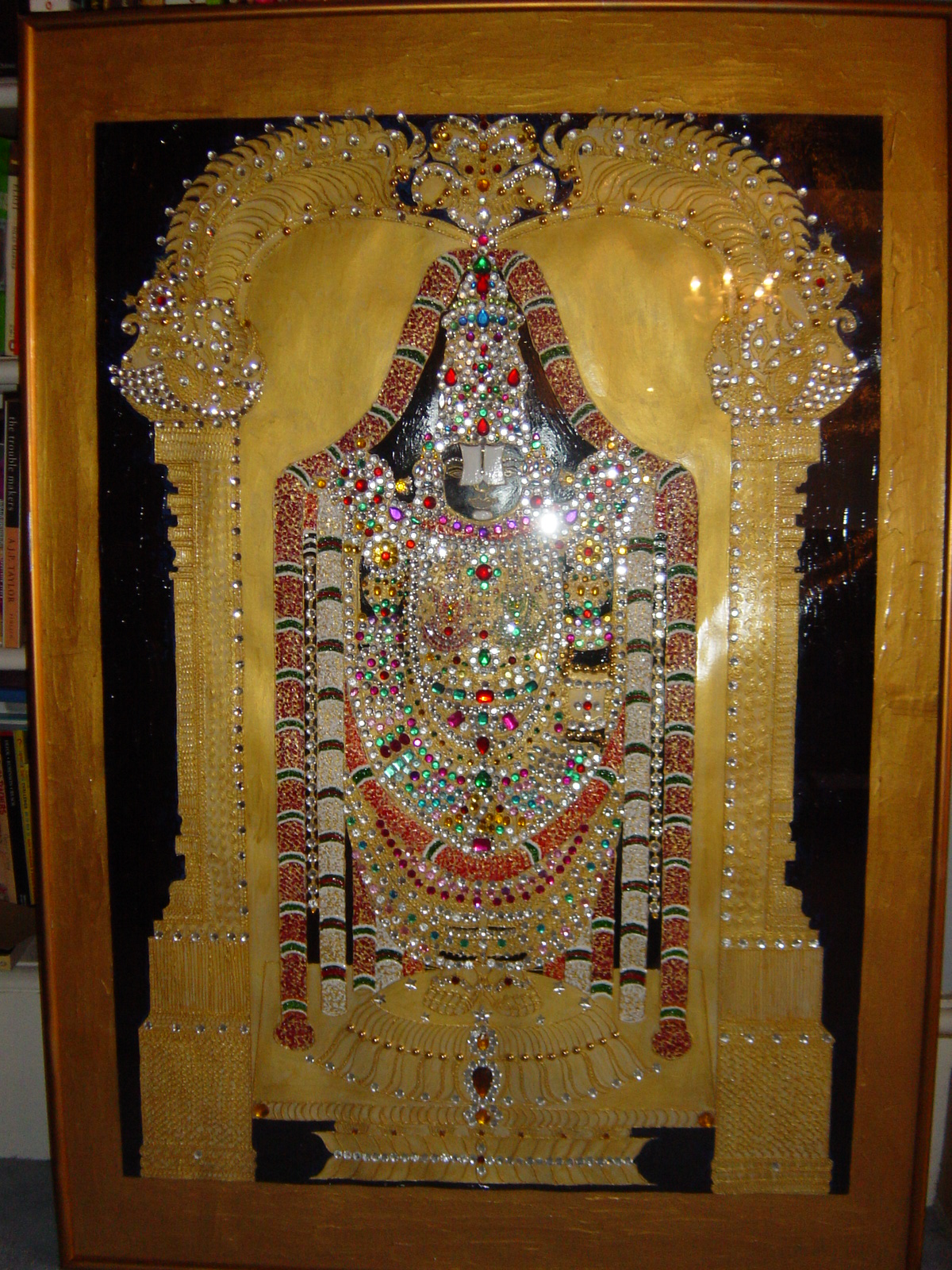
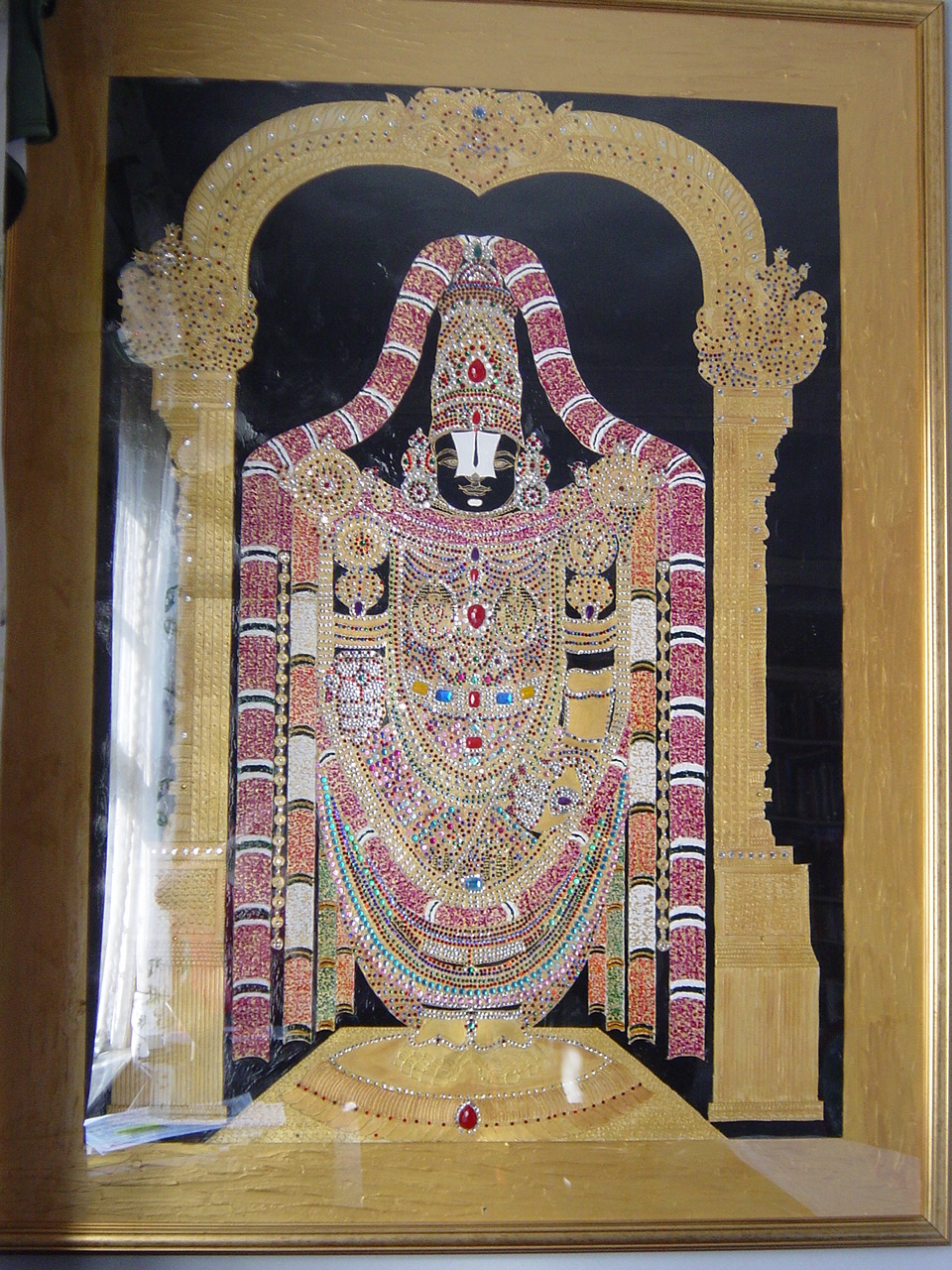
My blog post, Chapter 8 of March 4, 2006, discusses the first Venkatachalapathi (Picture 21) as well as Heramba Pillayar and the Goddess Durga with eighteen hands (5). It also discusses the Murugan (10), Hanuman (6), Rama (13), Bhuvaneswari (4), Six Shaktis (15) and the Pillayarpatti (12).
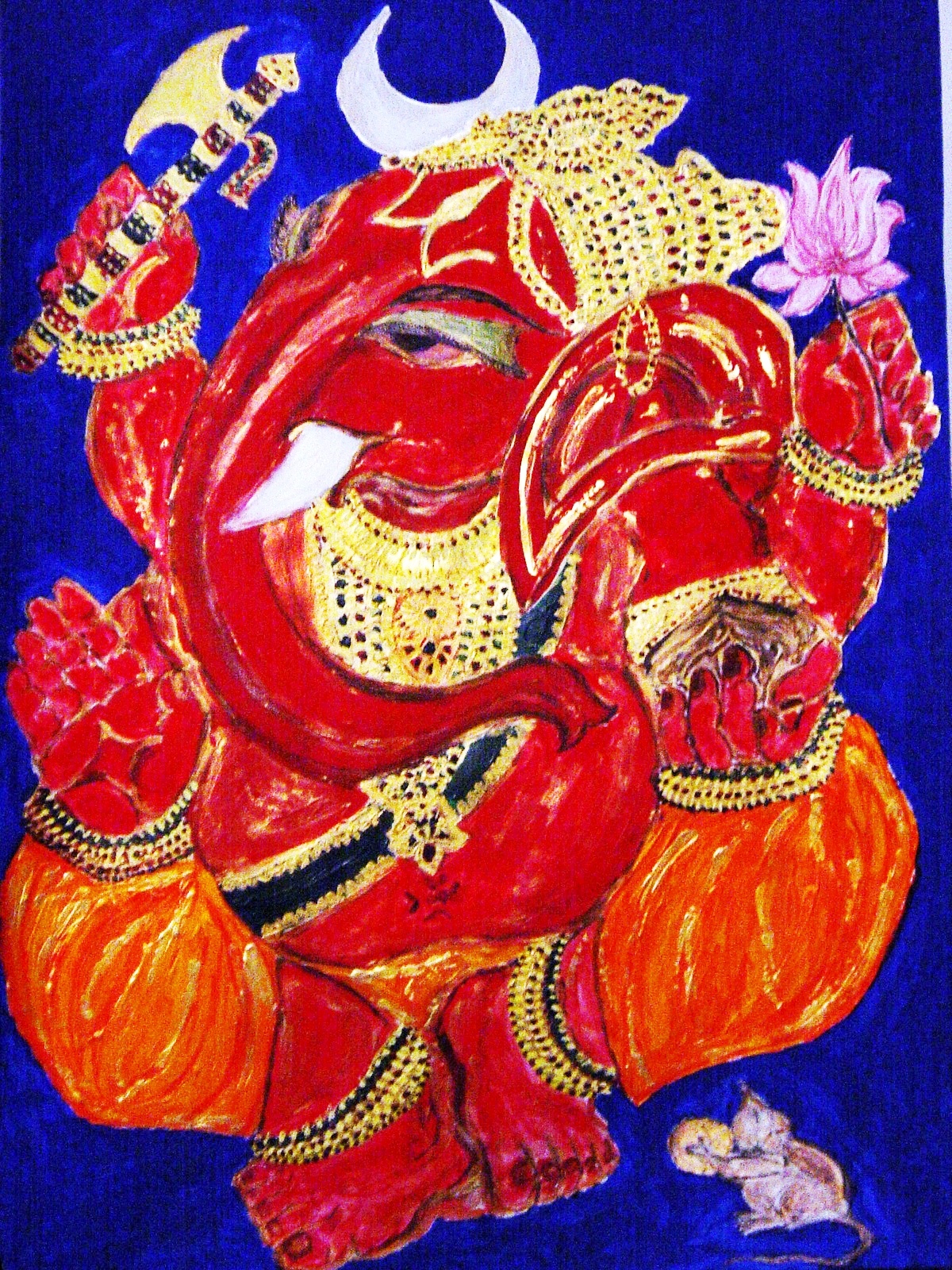
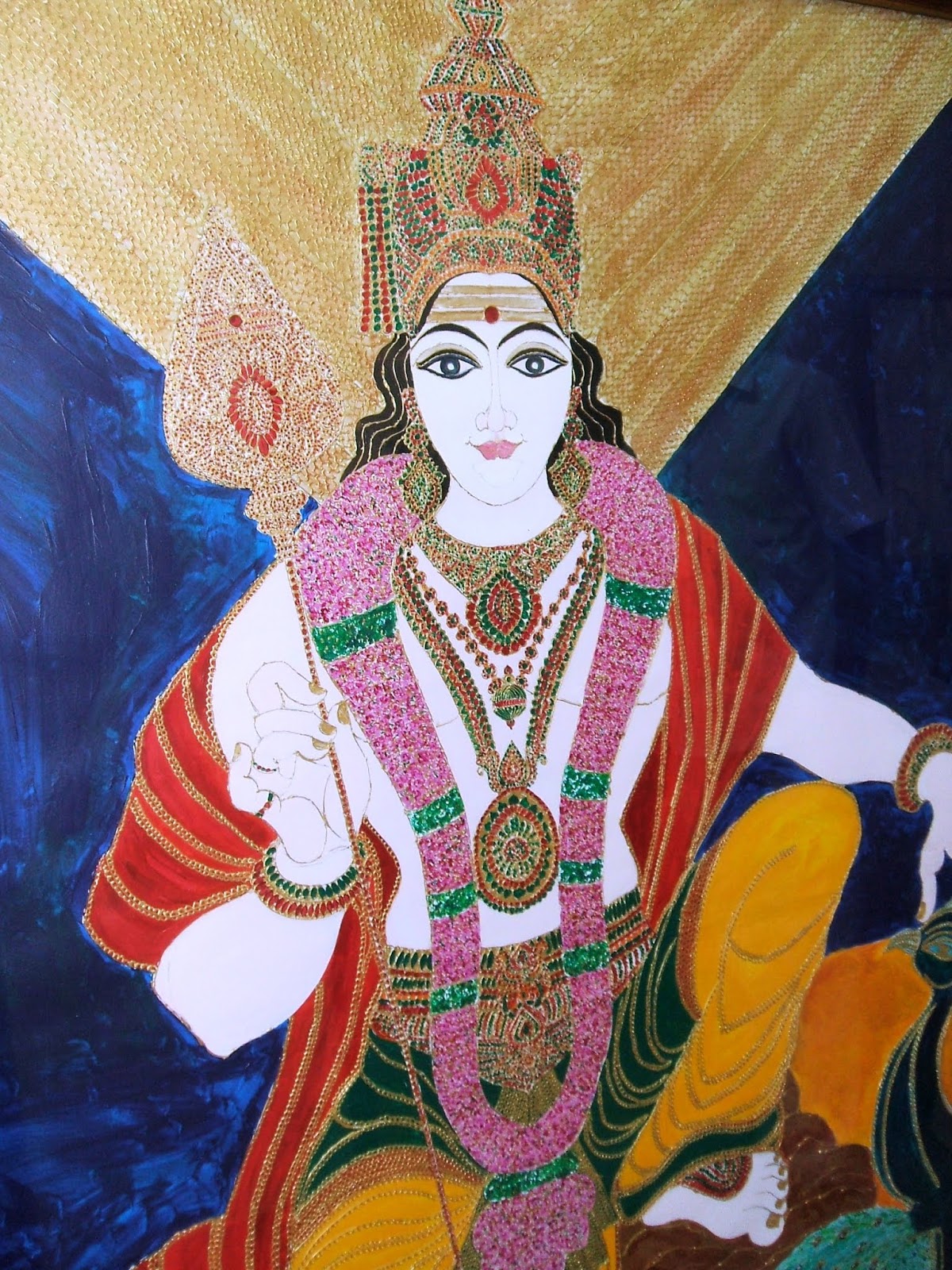
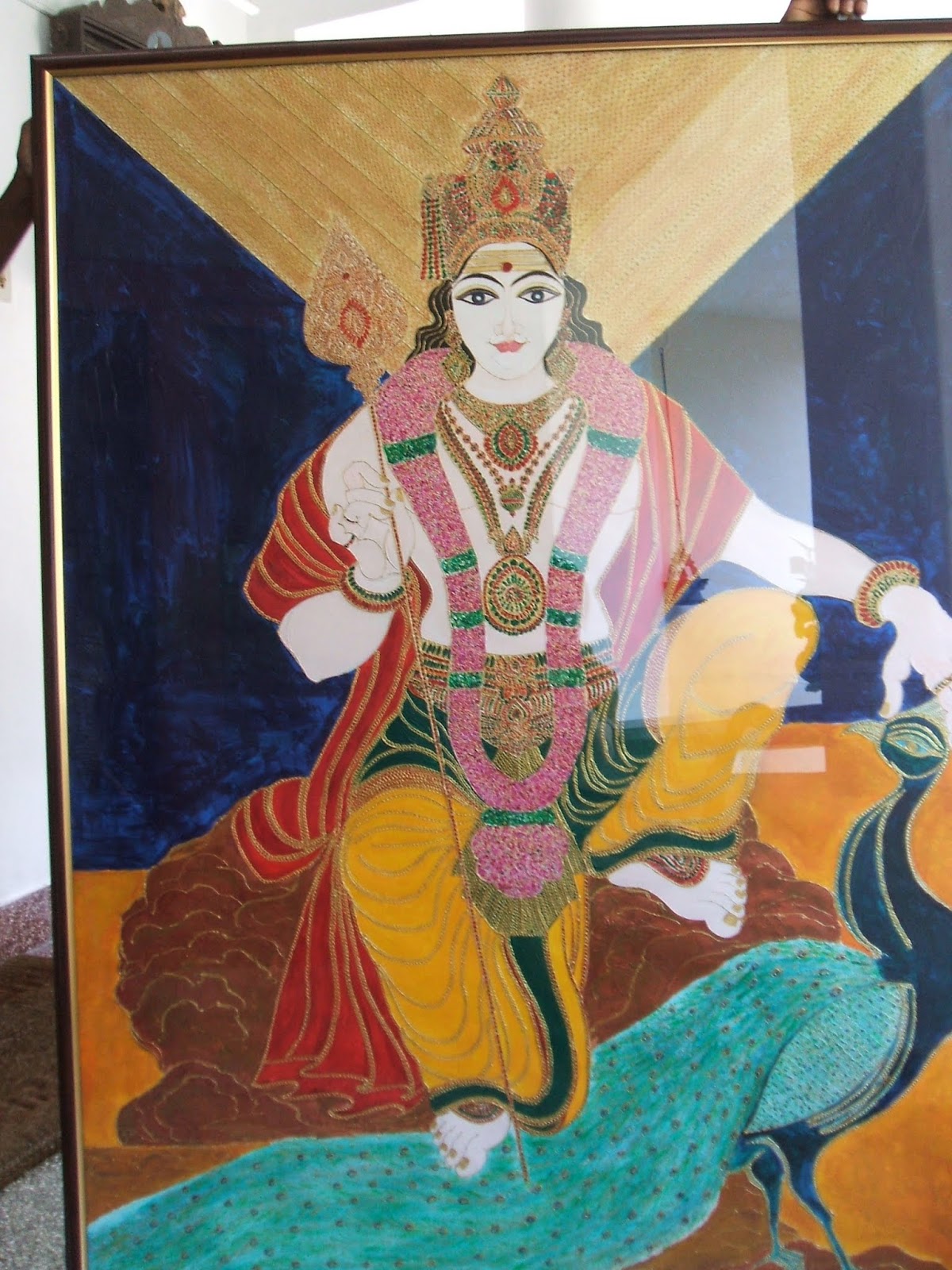
To read more about the first Karumariamman painting, click here. The second Karumariamman (2) and Murugan (11) are described in Chapter 10 of my blog.
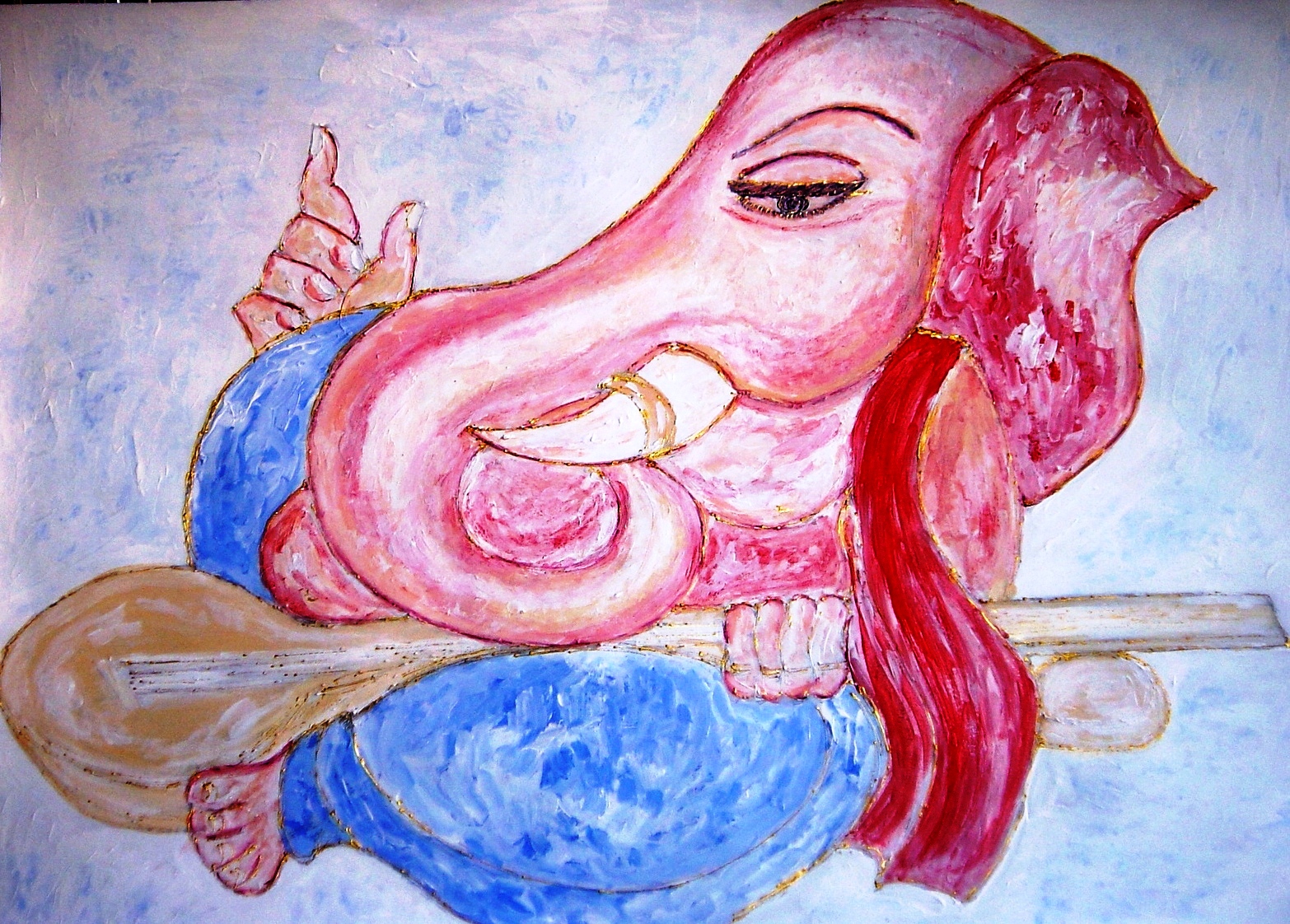
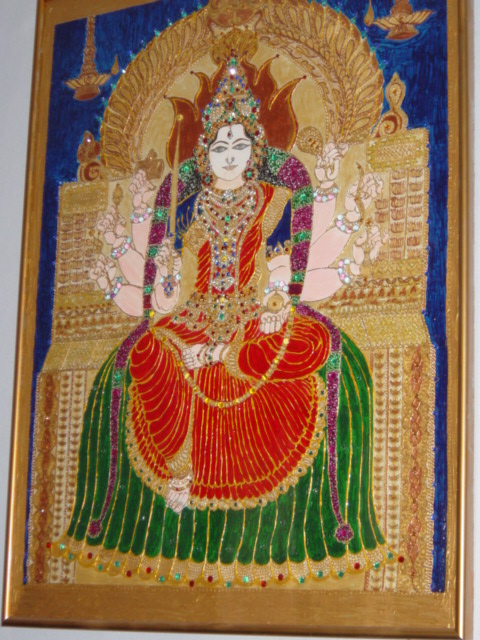
To read about the Goddess Meenakshi painting, please click here

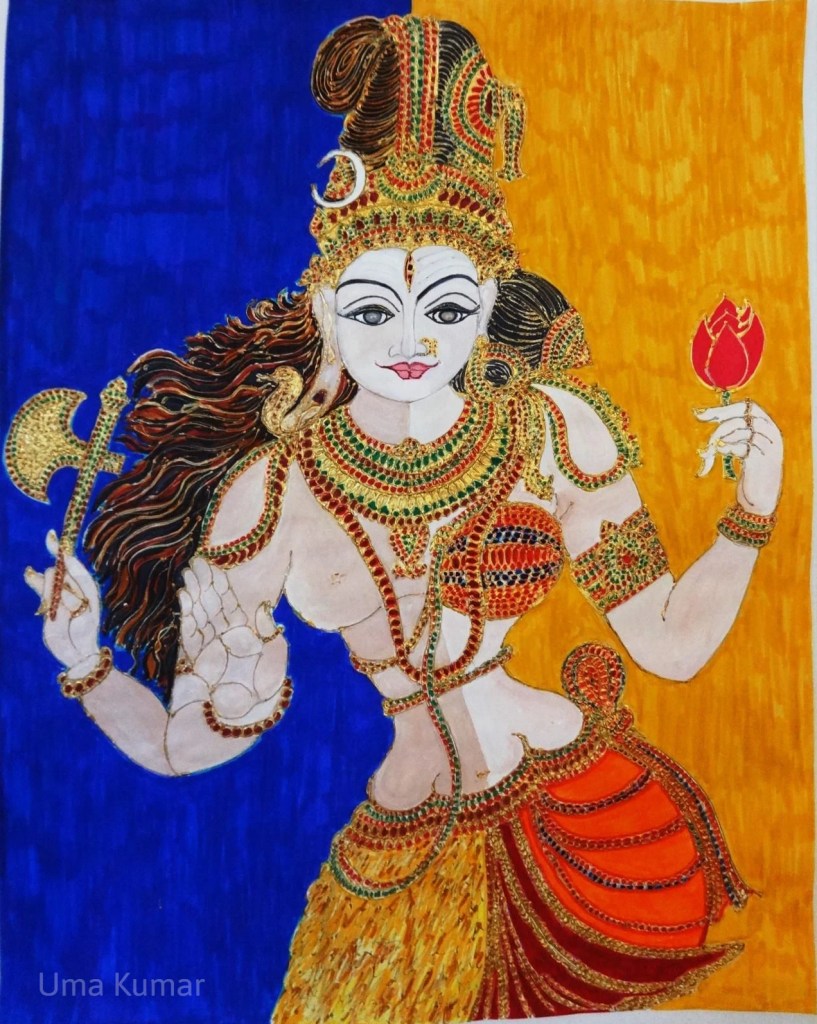
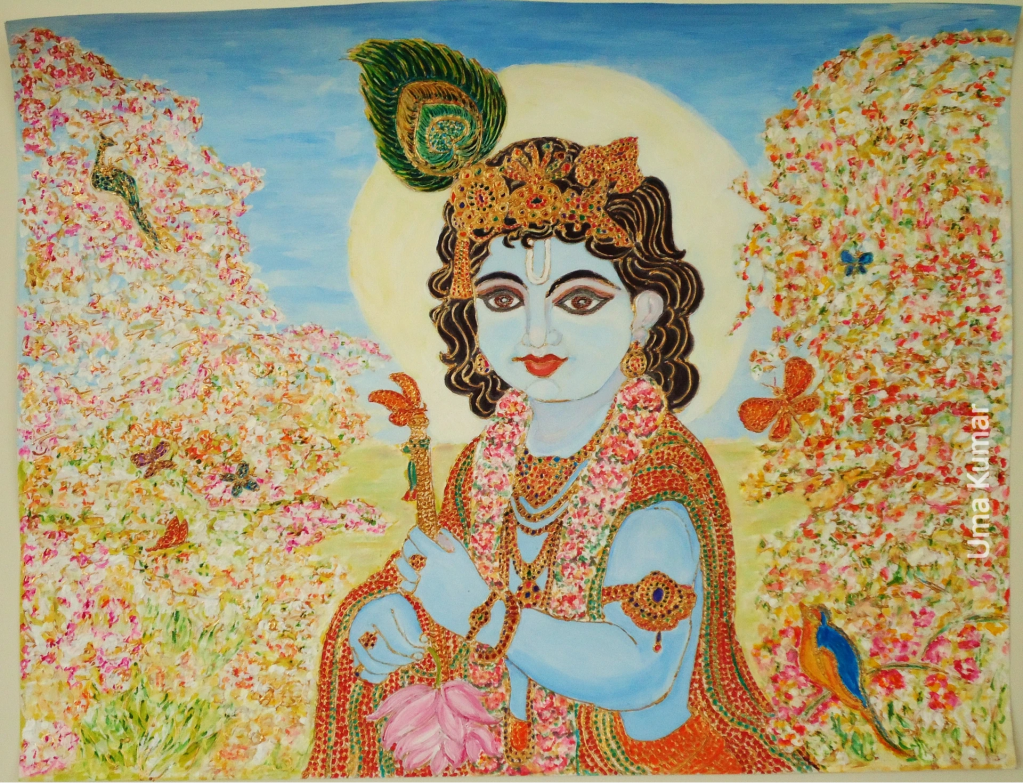
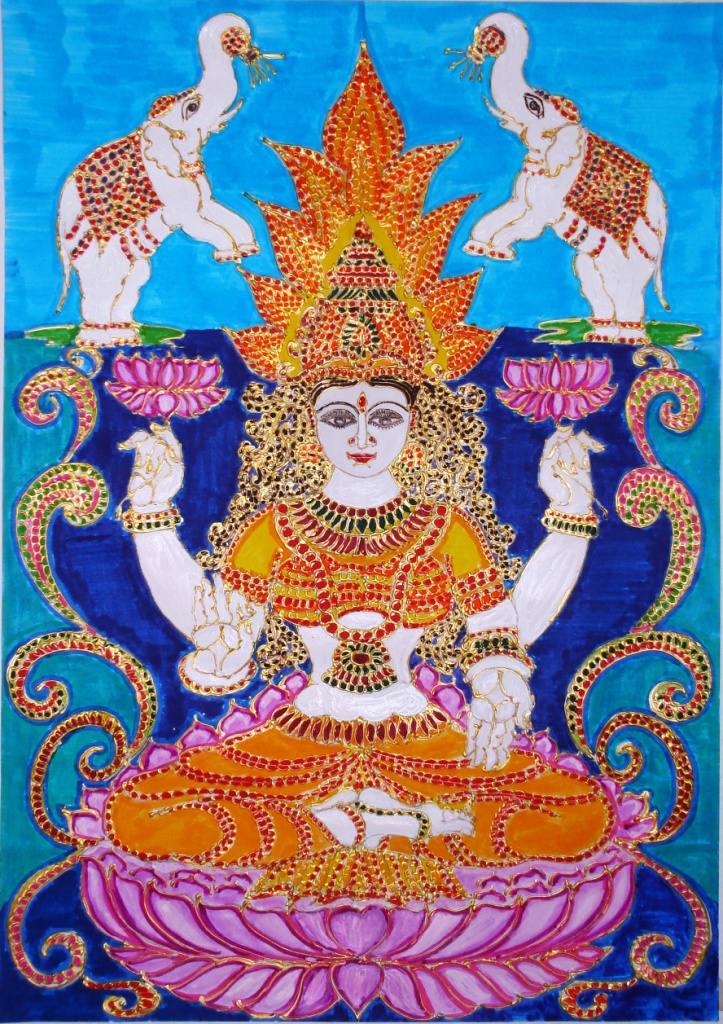
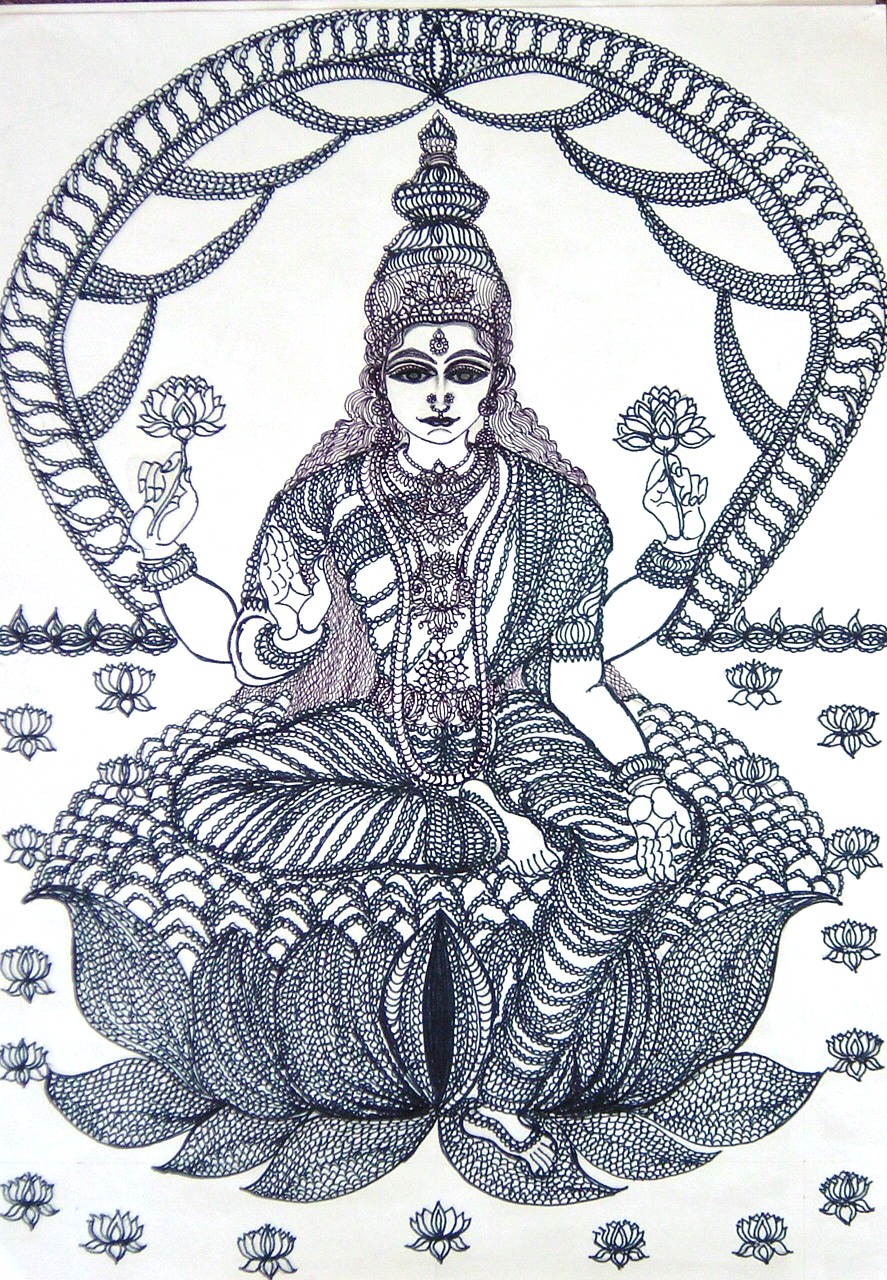
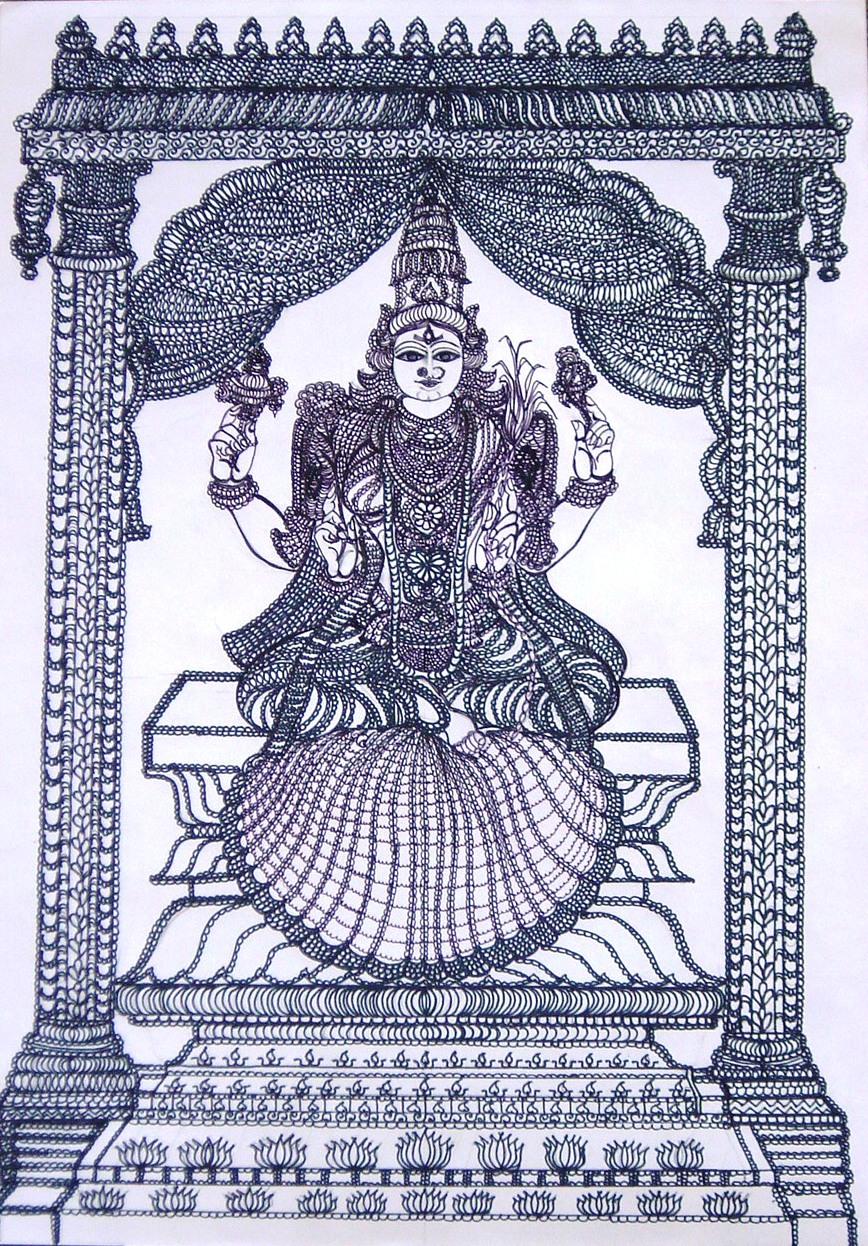
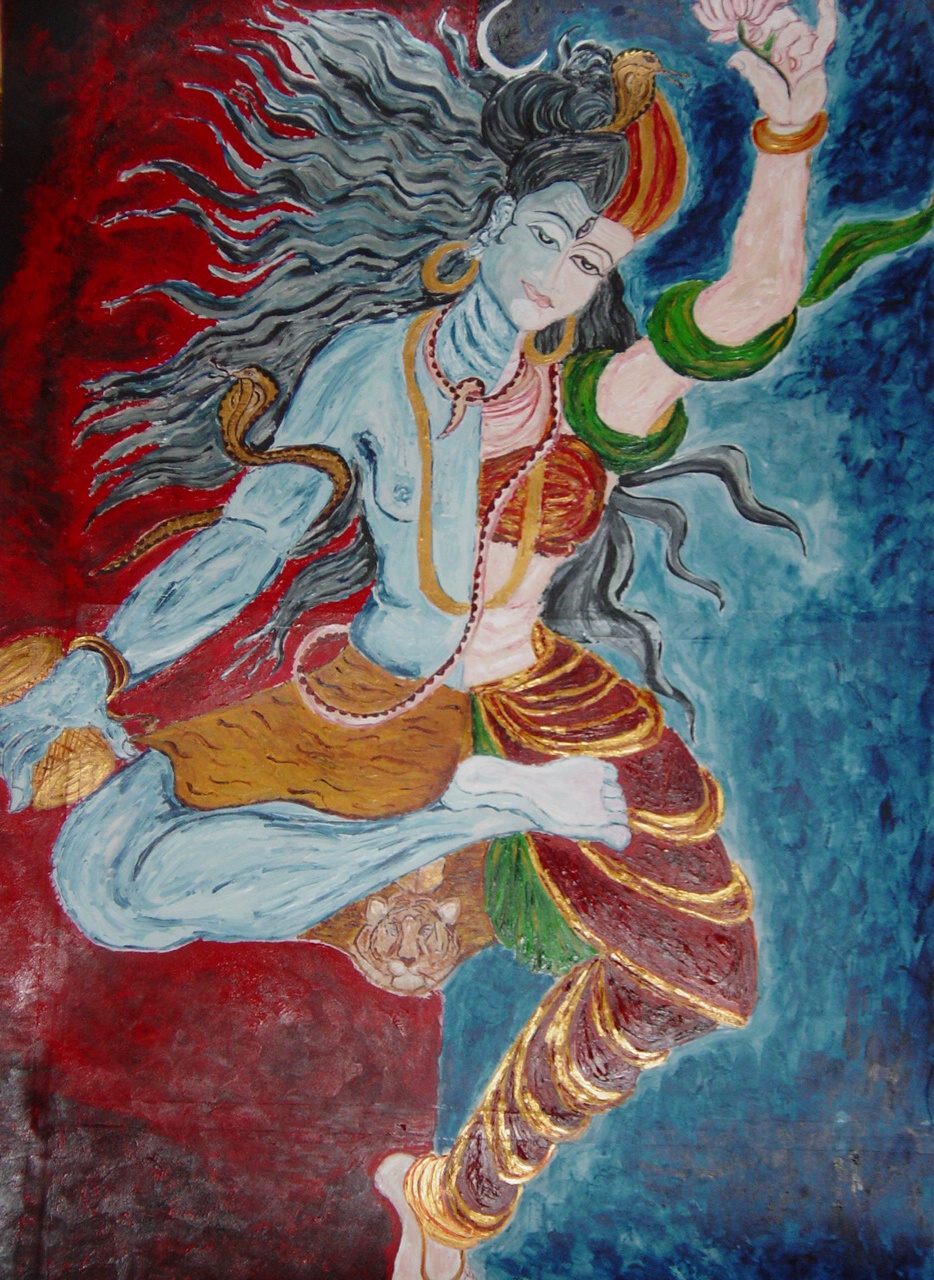
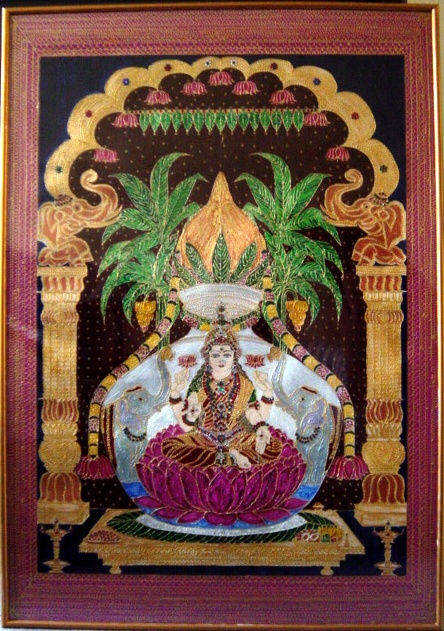
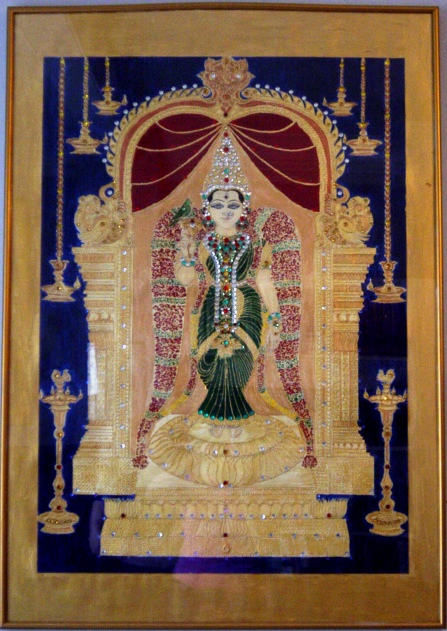
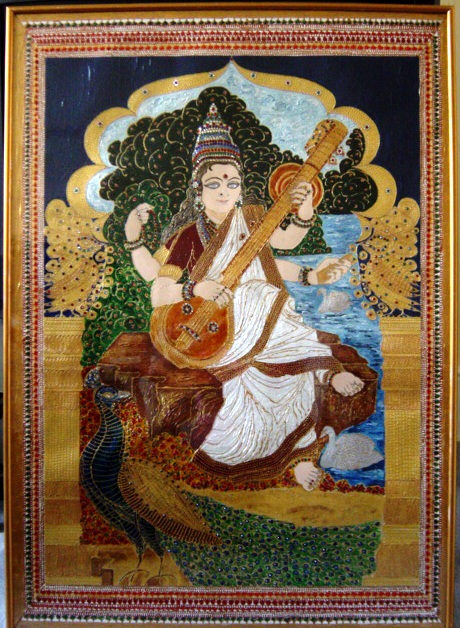
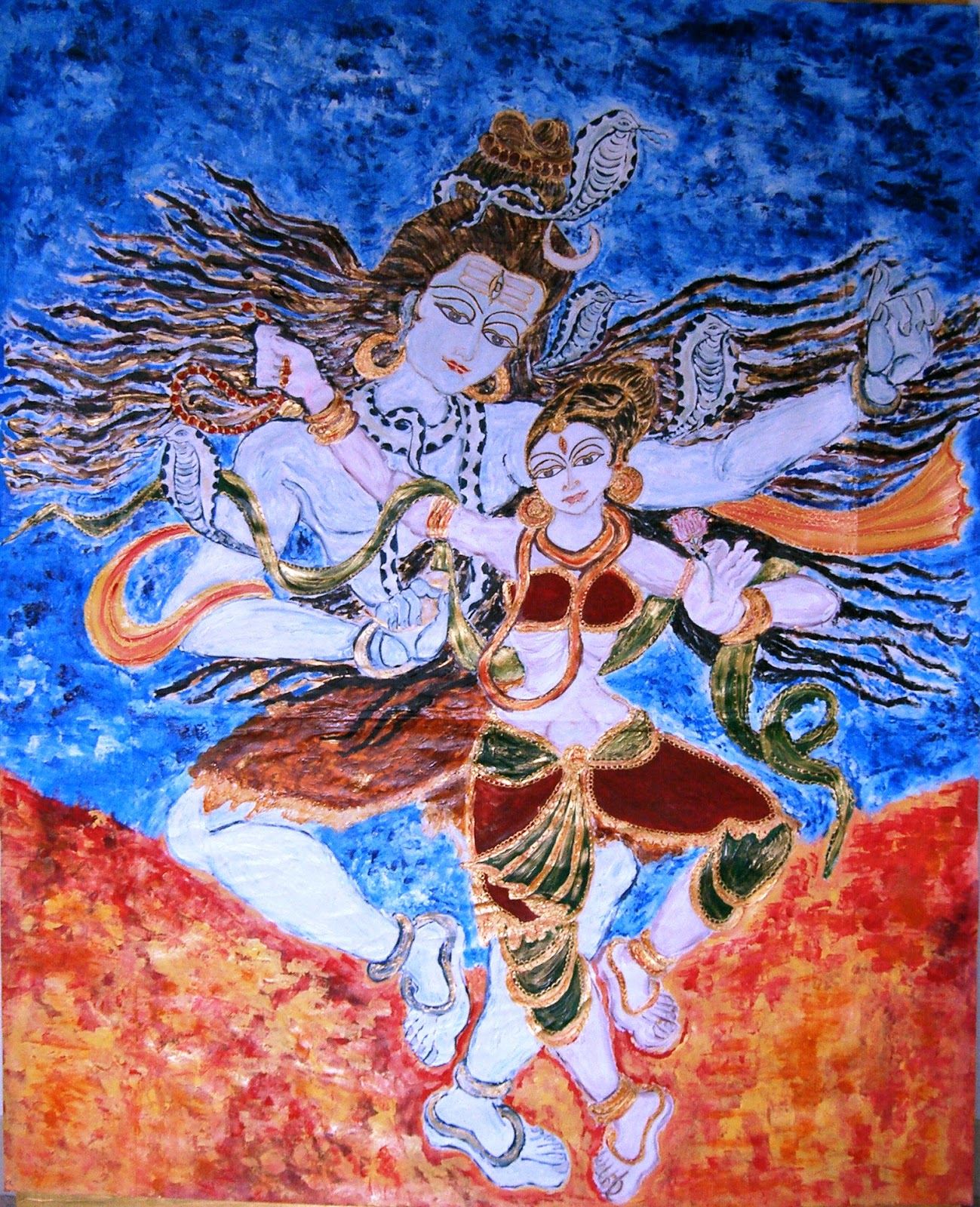
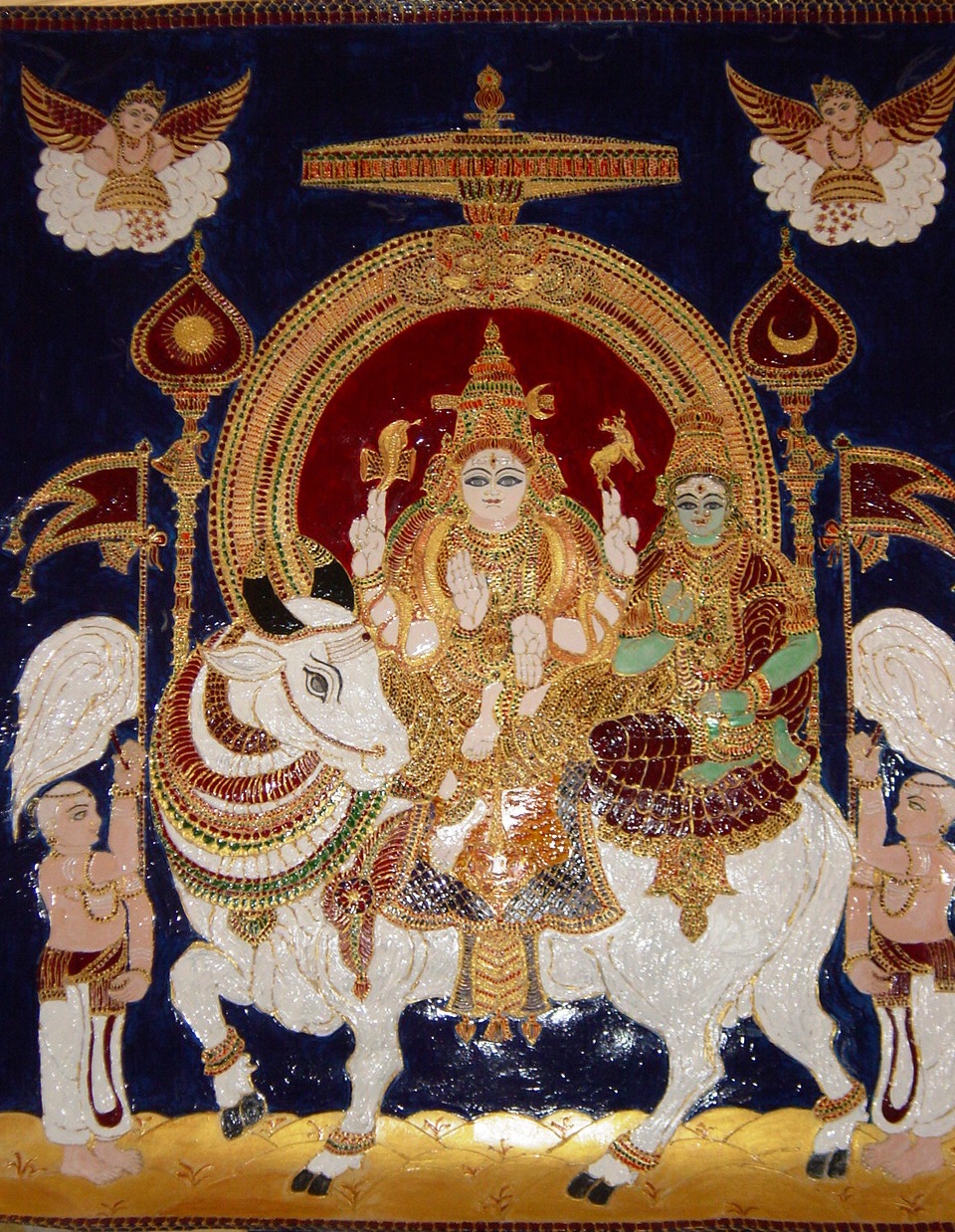
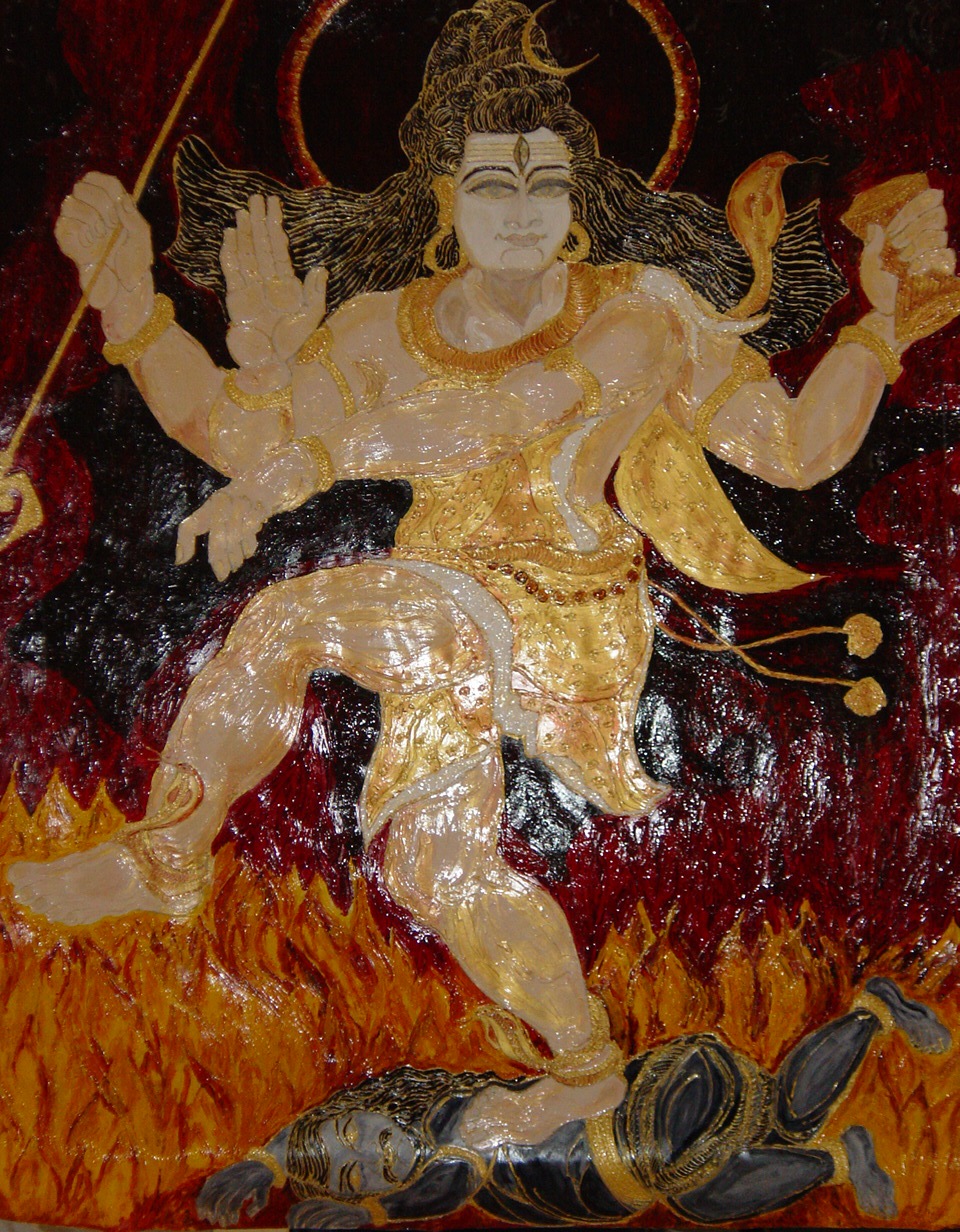
Chapter 9 of my blog discusses paintings of Lakshmi (8), Saraswathi (14), Venkatachalapathi (22), Shiva Thandavam (18) and Ardhanareeswara (3) and the Holy Family (Shiva and Parvati, picture 17). The Kamakshiamman painting is described in Chapter 12.